
Wasabi
Eutrema japonicum (Miq.) Koidz.
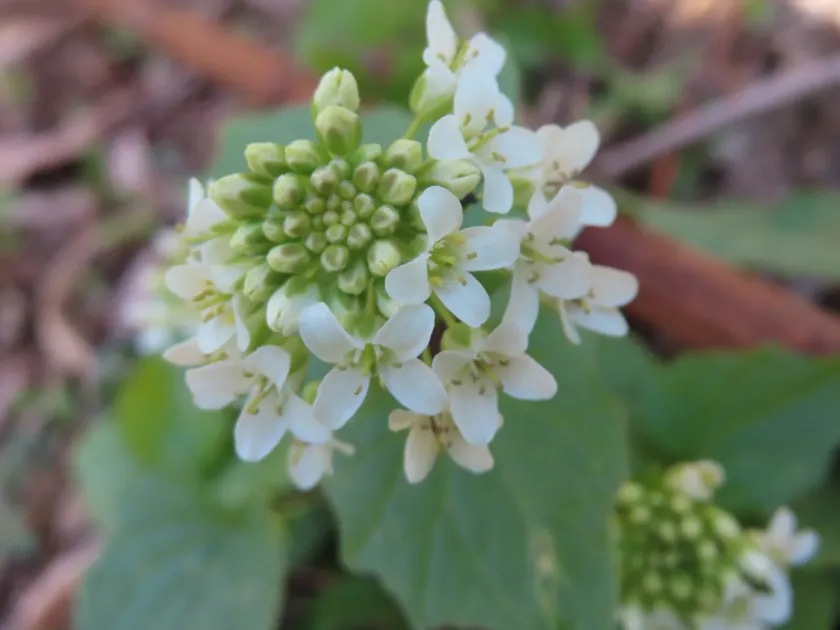
Description
Sowing dates
Wasabi is typically propagated through vegetative methods, specifically by dividing rhizomes or using offshoots from the parent plant. Propagation from seeds is rarely used due to their poor germination rates and the difficulty of maintaining specific cultivar traits.
The best time for planting is early spring or autumn, when temperatures remain stable and conducive to root development. In climate-controlled greenhouses, planting can occur year-round provided that high humidity and moisture levels are maintained.
When planting in soil, a spacing of 20–30 centimeters between plants is essential. Proper spacing allows sufficient room for the rhizome to develop fully and prevents water stagnation, which is a major cause of root decay.
Soil preparation should include incorporating organic matter to encourage strong initial rooting. Ensuring excellent drainage is critical, as stagnant water without movement can quickly lead to bacterial rot.
For younger plants, mulching is highly recommended by agronomists. It protects the delicate surface root system from heat stress and helps maintain the high soil moisture levels required for healthy growth.
Growing requirements
Wasabi is a highly demanding crop native to the mountainous regions of Japan. In its natural habitat, it thrives in shaded valleys along cool, clear mountain streams with highly oxygenated water.
The ideal temperature range for wasabi growth is quite narrow, between 10 and 18 degrees Celsius. Temperatures exceeding 25 degrees Celsius are detrimental, leading to plant stress and reduced rhizome quality.
The plant requires high air humidity, ideally kept between 70% and 80%. This requirement makes growing wasabi in open fields extremely difficult without specialized irrigation systems or misting.
Soil should be rich in humus and maintain a slightly acidic to neutral pH. An ideal substrate is light and permeable, designed to retain moisture while preventing the soil from becoming waterlogged.
Wasabi is shade-tolerant and requires protection from direct sunlight. Excessive sun exposure causes leaf scorching and leads to rapid soil drying, both of which are damaging to the crop's long-term development.
Yield
The maturation process for wasabi rhizomes is exceptionally long. A marketable rhizome typically takes 15 to 24 months to reach full size, requiring significant patience and long-term capital investment from farmers.
Yield depends heavily on the chosen cultivation method. Flowing water systems (Hon-wasabi) generally result in better productivity and cleaner rhizomes compared to traditional soil cultivation methods.
The average weight of a mature, high-quality rhizome ranges from 100 to 200 grams. Quality is determined by the pungency and aroma, which develop gradually throughout the plant's life cycle.
Beyond weight, market value is heavily dictated by the visual condition of the rhizome. Straightness, clean skin, and the absence of internal voids are essential for top-tier culinary standards.
A robust leaf canopy is a key indicator of yield potential. A dense rosette of leaves signifies active photosynthesis, which is critical for the continuous accumulation of energy in the developing rhizome.
Main diseases and pests
Fungal diseases are the most significant threat to wasabi, particularly in environments with high humidity and stagnant air. Root rot and Fusarium wilt are the most common and devastating pathologies.
Pests such as aphids and spider mites frequently attack wasabi crops, especially in greenhouse conditions. These pests can rapidly destroy foliage, weakening the plant and lowering potential yields.
Slugs and snails are another major concern, as they feed on young leaves and the primary growing point, often causing irreversible damage to the plant's structural integrity.
Prevention relies on ensuring constant air circulation and maintaining sanitary conditions within the growing space to prevent the buildup of pathogens. Chemical use is generally avoided due to the plant's culinary sensitivity.
Biological pest control methods are preferred by professional growers to minimize the impact on the delicate root environment and ensure the product remains safe for consumption.
Harvesting
Wasabi harvesting is a meticulous manual process. The plant must be carefully extracted from the growing medium to ensure the delicate rhizome remains intact and free of damage.
Immediately after extraction, rhizomes are cleaned of soil and debris, then rinsed with cool water. It is vital to shield the harvested product from sunlight and heat to prevent the loss of essential volatile oils.
Grading is performed based on size, straightness, and overall appearance. Longer, cleaner roots command a premium price in high-end markets, particularly in the sushi industry.
Post-harvest storage requires temperatures between 0 and 2 degrees Celsius and high humidity. Under these conditions, the product can maintain its culinary quality for several weeks.
The remaining leaves and stems are often used in gourmet cooking for pickles or salads, providing an additional revenue stream and ensuring minimal waste during the harvest process.