
Enarthrocarpus strangulatus
Enarthrocarpus strangulatus
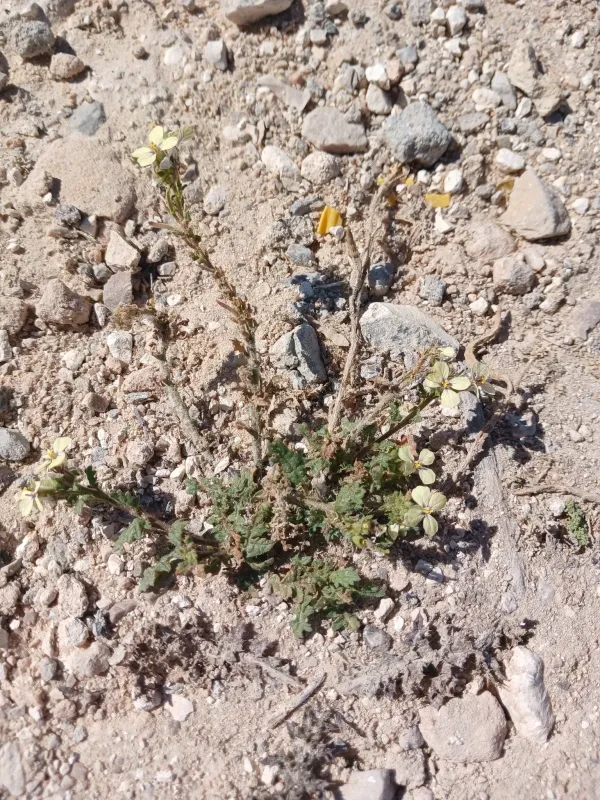
Description
Growing requirements
Enarthrocarpus strangulatus is a notable species within the Brassicaceae family. Originating from the arid regions of North Africa and the Mediterranean, it serves as a botanical subject of interest due to its adaptation to severe environmental stressors.
Botanically, the plant is characterized by its distinct, constricted pods that provide it with its specific name. It is primarily adapted to survive in sandy, nutrient-poor soils where moisture availability is often erratic and limiting.
Optimal cultivation requires sites with full solar exposure, as the plant demands significant light for metabolic processes. It thrives in well-drained soils, showing clear intolerance to waterlogged conditions that induce root decay.
Temperature requirements are moderate to high, with the species exhibiting resilience to the heat typical of semi-desert habitats. However, early-stage growth is sensitive to sudden cold snaps, requiring careful planning of sowing dates.
Agricultural practices for this crop focus on soil preservation and weed management. Since the species is not heavily domesticated, site preparation must mimic its natural ecological preferences to ensure successful germination and development.
Main diseases and pests
The primary agricultural threats to this species include crucifer flea beetles, which frequently target the tender foliage of young plants. Monitoring of seedling health is essential during the emergence phase.
Fungal pathogens such as downy mildew can become an issue if humidity remains high for extended periods within the canopy. Improving airflow between plants is a primary strategy for preventing such outbreaks.
Aphids can cause damage by colonizing the inflorescences, thereby hindering the development of the pods. These pests can rapidly proliferate in dry conditions, requiring proactive management.
Root-rot pathogens are a risk in compacted or poorly drained soil profiles. Proper field preparation and the avoidance of over-irrigation are critical preventative measures for maintaining crop vitality.
Effective management requires a combination of crop rotation and targeted scouting. Because it is a member of the Brassicaceae, it is crucial to avoid planting it consecutively in plots previously occupied by related crops.