
Enarthrocarpus arcuatus
Enarthrocarpus arcuatus
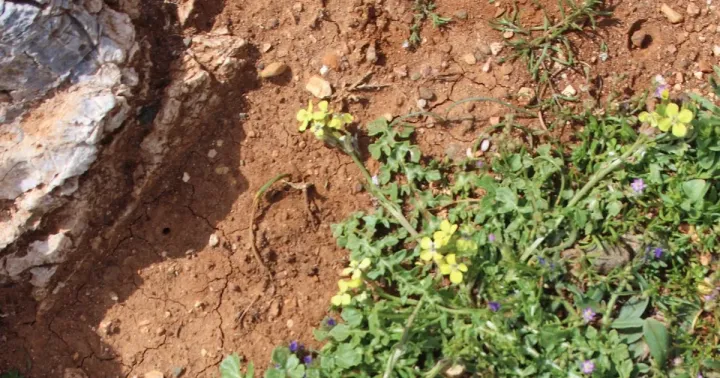
Description
Sowing dates
Enarthrocarpus arcuatus belongs to the Brassicaceae family, which dictates its biological requirements as an annual plant. The optimal sowing time occurs in early spring once soil temperatures reach 8–10 degrees Celsius, ensuring uniform germination and successful establishment.
Seed placement depth should be maintained between 2 and 3 centimeters to ensure appropriate emergence. Precision sowing technology is recommended to maintain the correct plant density, which prevents competition for nutrients and space during the active growth phase.
In arid environments, winter sowing may be utilized to capitalize on stored soil moisture. Soil compaction following sowing is a standard practice to enhance seed-to-soil contact, which significantly improves the probability of field germination.
Crop rotation planning is essential for this species, as it performs best following cereal crops. This minimizes the risk of soil-borne diseases and helps manage weed pressure effectively without excessive reliance on herbicides.
Field preparation must ensure a fine tilth, which supports rapid root development. Early establishment is the primary factor in determining the potential yield of this crop, as it allows the plants to develop before peak heat intensity occurs.
Growing requirements
The plant requires well-drained loamy or sandy loam soils for optimal growth. It is highly sensitive to waterlogging, making field selection with proper drainage infrastructure a critical decision in the initial stage of production planning.
Exposure to full sunlight is necessary for the plant to thrive. Shade leads to thin, weak stems and reduces overall plant productivity, which can ultimately cause lower seed yields during the reproductive stages.
Water requirements are significant during the vegetative growth and flowering periods. Drip or sprinkler irrigation is ideal for maintaining soil moisture consistency, preventing stress that might otherwise negatively impact seed size and quality.
Nutrient management should focus on providing adequate nitrogen, phosphorus, and potassium levels based on pre-planting soil testing. Proper balance in these nutrients is vital for structural stem integrity and reproductive success.
Inter-row cultivation is beneficial for enhancing soil aeration and managing early-stage weed growth. By keeping the surface loose, the grower ensures oxygen reaches the root zone, which promotes a more vigorous and resilient plant structure.
Main diseases and pests
The main pests threatening this crop are cruciferous flea beetles, which can devastate early-stage seedlings by consuming leaf tissue. Regular scouting and preventative insecticide applications are often necessary to protect the young crop from these pests.
Pollinating insects and blossom beetles may pose challenges during the flowering phase, potentially affecting seed sets. Monitoring programs should be implemented to evaluate population dynamics and decide on appropriate intervention thresholds.
Fungal diseases, including downy mildew and various types of rots, often emerge when humidity levels are excessively high or when crop rotation is neglected. Maintaining good field hygiene is the best preventative strategy.
Integrated Pest Management (IPM) practices should be followed to reduce the chemical footprint of the farming operation. Using resistant varieties and treated seeds provides a robust defense mechanism against common regional pathogens.
Crop protection remains the most labor-intensive part of the production cycle. Early detection of symptoms is key, as many diseases spread rapidly if not contained immediately upon identification within the fields.
Harvesting
Harvesting should occur when the pods exhibit a yellow-brown color, indicating physiological maturity. Timing is critical, as delaying the harvest can lead to pod shattering, resulting in substantial losses of the seed yield.
Modern harvesting usually involves the use of desiccants to achieve uniform ripening across the field. This practice is essential for direct combining and helps reduce the moisture content of the biomass before it enters the threshing mechanism.
Post-harvest handling is equally important for maintaining quality. The seed must be dried to a moisture content of 8–10 percent to ensure stability in storage and prevent the development of mold or mycotoxins.
Cleaning equipment should be calibrated specifically for the size and density of the seeds to ensure purity and reduce contamination levels. Proper storage facilities with adequate ventilation are required for long-term seed preservation.
Economic performance is closely linked to harvest efficiency. By minimizing losses through precise timing and the correct application of post-harvest technologies, producers can maximize the profitability of this valuable agricultural crop.