
Enarthrocarpus clavatus
Enarthrocarpus clavatus
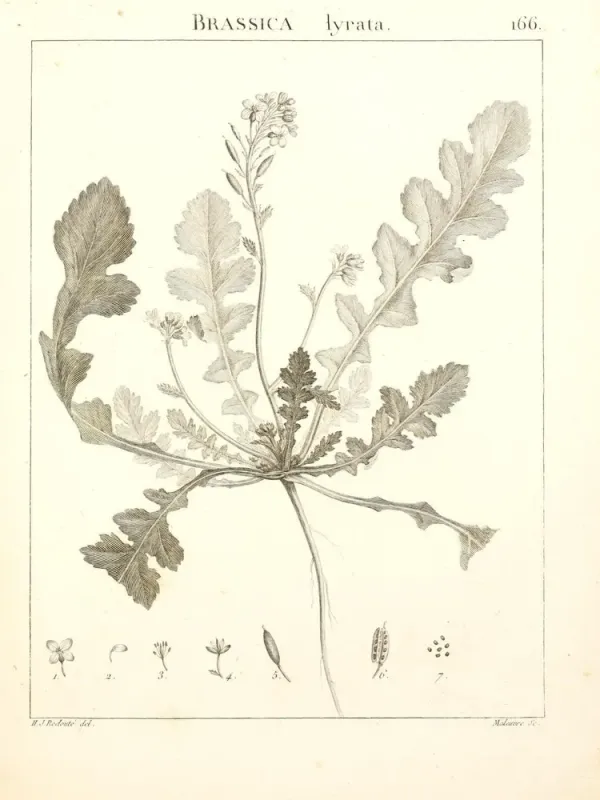
Description
Sowing dates
Enarthrocarpus clavatus, a member of the Brassicaceae family, requires careful site selection and soil preparation to ensure successful establishment. Seeds should be sown in prepared beds during temperate periods to avoid extreme weather stress.
The optimal planting density should be strictly observed to allow for proper air circulation and light penetration, which are essential for the healthy vegetative development of this specific cultivar.
Seedbed preparation involving deep tillage followed by light harrowing promotes uniform emergence. It is crucial to monitor soil moisture levels during the germination phase to support the delicate embryonic roots.
Crop rotation protocols applicable to other cruciferous vegetables should be followed to maintain soil health. Avoiding consecutive planting on the same plot prevents the build-up of host-specific soil pathogens.
Strategic timing of sowing based on local climate data is vital, as the plant responds significantly to daylight duration and accumulated temperature sums during its early growth stages.
Growing requirements
This crop thrives in well-drained, sandy loam soils with a neutral pH level. Proper drainage is essential as the plant is susceptible to root rot if subjected to prolonged waterlogging in heavy, compacted soils.
Environmental requirements include a preference for sunny exposures and mild, temperate climates. While the species exhibits resilience to occasional moisture deficits, consistent water supply improves overall yield quality.
Nutrient management should focus on balanced NPK applications, with an emphasis on potassium during the later stages of growth to strengthen tissues and enhance resilience against environmental pressures.
Mechanical weed control through inter-row cultivation is highly recommended to reduce competition for nutrients and water, particularly during the first four to six weeks of the plant's growth cycle.
Monitoring the soil's structure is important to facilitate oxygen exchange within the rhizosphere, which directly influences the uptake efficiency of essential micronutrients needed for the plant's metabolic functions.
Main diseases and pests
Common pests affecting this species include flea beetles, which can cause significant foliar damage. Regular field scouting and the use of physical barriers are recommended to mitigate these risks effectively.
Pathogenic threats such as clubroot disease require vigilant management of soil pH and crop rotation practices. Maintaining a diverse agricultural environment helps to suppress the spread of such soil-borne infections.
Fungal pathogens associated with high humidity, such as downy mildew, must be managed through improved ventilation techniques and by avoiding overhead irrigation during periods of dense canopy cover.
Aphid populations can occasionally impact growth by stressing the plants and serving as vectors for viral diseases. Integrated pest management (IPM) strategies, including the introduction of natural predators, prove most effective.
Ensuring that seeds are clean and certified reduces the risk of introducing seed-borne diseases into the field, providing a clean start for the growing season and minimizing the need for chemical intervention.