
Dithyrea californica
Dithyrea californica
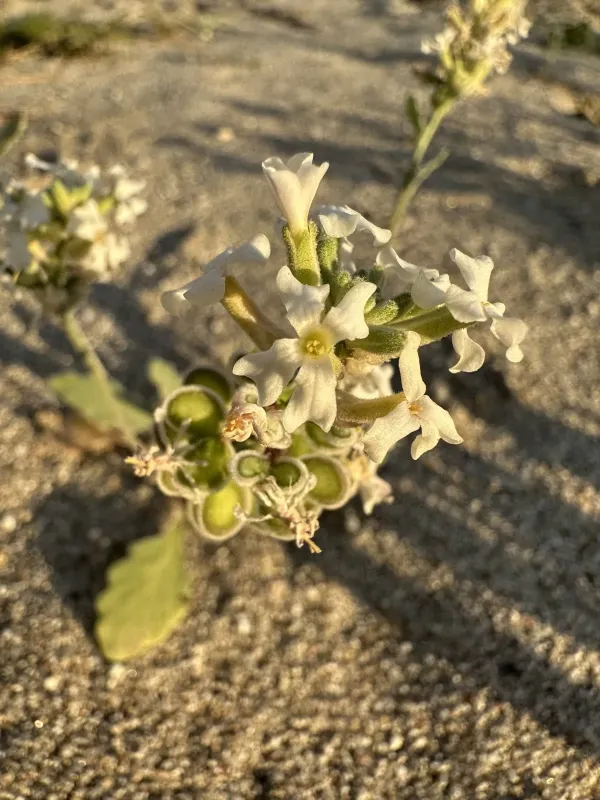
Description
Growing requirements
Dithyrea californica, commonly known as the spectacle pod, is a specialized annual plant belonging to the Brassicaceae family. It is recognized for its unique, dual-lobed seed pods which resemble spectacles, a trait that defines its genus.
The plant is native to the arid desert landscapes of the southwestern United States and Mexico. Its biological cycle is deeply intertwined with short, sporadic rainy seasons, allowing it to complete its reproductive stage rapidly under harsh environmental conditions.
To cultivate Dithyrea californica successfully, one must replicate its natural desert environment. This requires sandy, well-draining soils and high levels of solar radiation. The plant demonstrates high tolerance to saline soils, offering unique opportunities for farming in marginal arid areas.
Climate requirements include high heat and low humidity. It thrives in regions where temperatures frequently exceed 30 degrees Celsius, using its specialized root system to access deep moisture reserves trapped in the subsoil.
Agricultural management should prioritize minimal intervention. Over-fertilization with nitrogen is counterproductive, as the plant has evolved to thrive in nutrient-poor desert substrates. Irrigation should be used sparingly, only to support germination, followed by total drought tolerance training.
Main diseases and pests
Root rot is the most significant disease risk for Dithyrea californica, particularly when exposed to damp or poorly aerated soil conditions. Maintaining a strict irrigation schedule is the primary defense against these fungal pathogens.
Pests typically associated with Brassicaceae crops, such as flea beetles, pose a recurring threat. These insects target the foliage of seedlings, which can significantly weaken the plant's ability to produce robust seed pods.
Powdery mildew can occur if the humidity levels rise unexpectedly. High-density planting without sufficient airflow encourages the spread of fungal spores, making spacing and monitoring critical for crop health.
Locusts and various desert rodents present a physical threat to established stands. In natural settings, these pests move across the landscape, but in cultivated plots, they require perimeter protection or biological deterrents to prevent total crop loss.
Integrated pest management (IPM) strategies are essential for this niche crop. Using natural repellents and ensuring that the plant's physiological stress is kept at a minimum will naturally increase its resistance to most biotic threats.