
Aubrieta deltoidea
Aubrieta deltoidea (L.) DC.
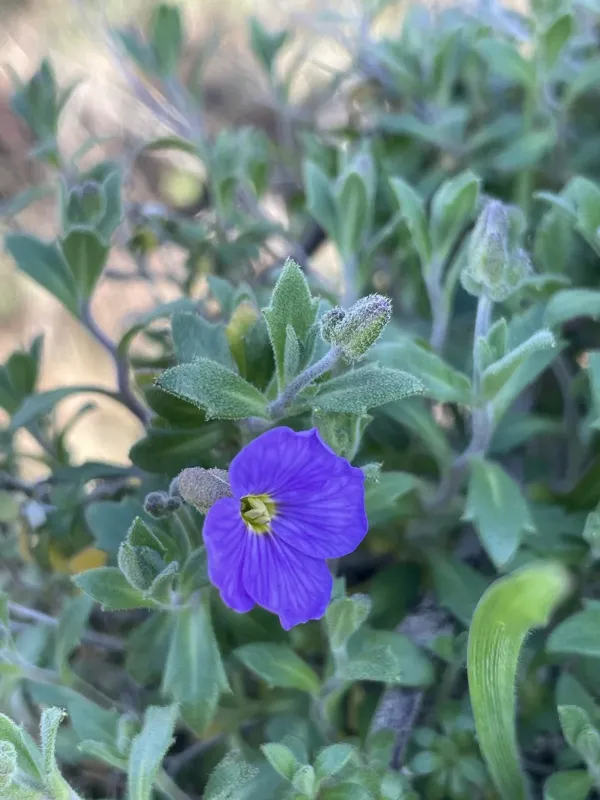
Description
Sowing dates
Aubrieta deltoidea, belonging to the Brassicaceae family, is commonly propagated from seeds sown indoors in late winter. Seeds should be surface-sown as they require light to germinate effectively.
Outdoor sowing can be performed in late spring or early autumn. Maintaining a temperature of 18–20°C is crucial for consistent seedling emergence within the first three weeks.
Seedlings should be pricked out into individual pots once they develop their first set of true leaves to encourage robust root system development before final transplanting.
When transplanting into the permanent location, space the plants about 15–20 cm apart to ensure adequate airflow and prevent overcrowding during the peak growing season.
Propagation through cuttings is also a viable method, typically performed post-flowering, which ensures that the offspring clones the exact characteristics of the parent plant.
Growing requirements
Originating from the mountainous regions of Southern Europe, this species requires a sunny location. It thrives in well-drained, rocky soils that mimic its natural alpine habitat.
Soil pH is a critical factor; the plant prefers neutral to slightly alkaline conditions. If the native soil is acidic, amendments such as lime must be added before planting.
Proper drainage is essential. Excessive moisture, especially during the dormant winter months, can lead to root rot and eventual death of the perennial mat.
While the plant is quite drought-tolerant once established, moderate watering during the initial growth phase and flowering season will promote a more vigorous display of blooms.
Winter protection is generally not required in moderate climates, but in regions with harsh, snowless winters, a light layer of mulch can help prevent frost heaving of the roots.
Main diseases and pests
Powdery mildew represents the most significant fungal threat, usually appearing during periods of high humidity or poor air circulation within the plant mat.
Early intervention with systemic fungicides is necessary to prevent the disease from spreading throughout the entire planting area and ruining its visual appeal.
Aphids are the most common insect pests that infest the tender new growth and flower buds, weakening the plant and potentially stunting its seasonal development.
Integrated pest management, including the use of targeted insecticides and maintaining good cultural practices, is recommended to keep aphid populations under control.
Routine inspection of the foliage for discoloration or signs of feeding damage is a vital part of maintaining a healthy and thriving rock cress patch.