
Aubrieta gracilis
Aubrieta gracilis Spruner
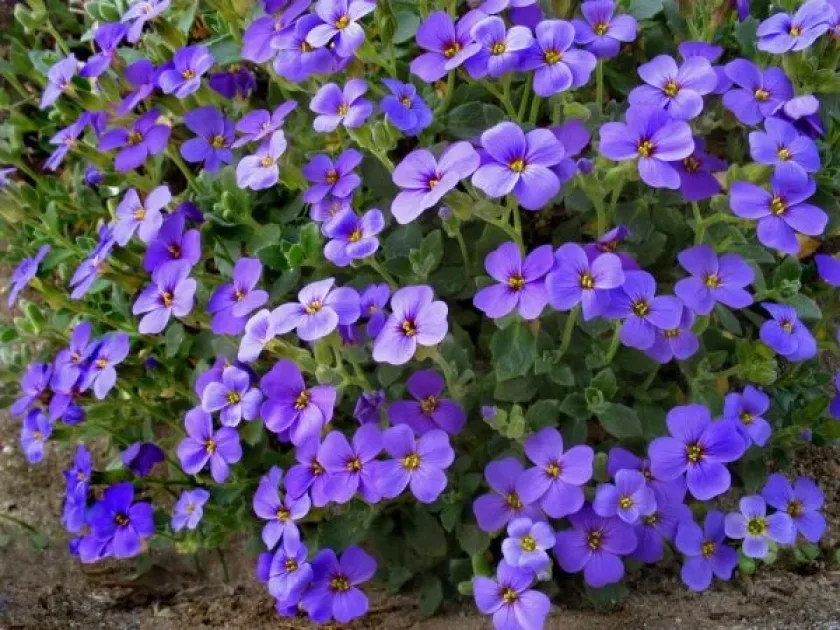
Description
Sowing dates
Aubrieta gracilis, a member of the Brassicaceae family, is a popular choice for rock gardens and borders. Seeds are typically sown in early spring, from April to May, or in late autumn, around October, to allow for natural cold stratification during the winter.
For greenhouse cultivation, sowing should begin in February or March. Using lightweight, well-draining seed starting mix is essential to prevent damping-off, a common issue for young seedlings of this species.
Seeds are surface-sown and require light to germinate; therefore, they should not be buried deep. A fine dusting of sand or vermiculite is sufficient to hold the seeds in place while allowing adequate light penetration.
Once seedlings reach a manageable size, they should be transplanted to individual pots. This transition phase is crucial, as the root system of Aubrieta gracilis is sensitive to disturbances, and using biodegradable pots can minimize transplant shock.
Maintaining a consistent temperature of around 18-20 degrees Celsius is optimal for uniform germination. High humidity should be avoided, and good ventilation in the growing area is necessary to promote strong, healthy seedlings.
Growing requirements
Aubrieta gracilis thrives in full sun and requires well-drained, slightly alkaline to neutral soil. Poorly drained soil, especially during winter months, will quickly lead to root rot and plant mortality.
The plant is known for its drought tolerance once established. However, for maximum bloom quality, supplemental watering is recommended during dry spells in the spring and early summer before the flowering phase concludes.
Soil structure should be sandy or stony to mimic the plant's natural habitat. Incorporating coarse sand or fine grit into the planting hole can significantly improve drainage and ensure long-term plant vigor.
Regular maintenance involves shearing back the plant after the primary flush of flowers has faded. This practice encourages a secondary wave of blooms and helps keep the plant compact and tidy throughout the growing season.
Fertilization should be kept to a minimum. A light application of a balanced, low-nitrogen fertilizer once or twice a year is sufficient; excessive feeding often results in leggy growth rather than vibrant, dense foliage.
Main diseases and pests
Powdery mildew is the most frequent disease encountered when growing Aubrieta gracilis, especially in regions with high humidity or poor air circulation. Symptoms include a white, powdery appearance on foliage.
Preventative measures against powdery mildew include ensuring sufficient spacing between plants and avoiding overhead watering. If an outbreak occurs, specialized fungicides can be applied to stop the progression of the fungus.
Aphids can be problematic, particularly during the active spring growth period. They typically congregate on the undersides of leaves and on flower buds, causing stunted growth and poor flower development.
Integrated pest management, including the use of insecticidal soaps or neem oil, is effective for controlling aphid populations without harming beneficial insects in the garden environment.
Snails and slugs are common pests that feed on the succulent leaves of Aubrieta. Maintaining a clean surrounding environment and utilizing physical barriers like crushed shells or grit can effectively deter these pests from reaching the plants.