
Arcyosperma primulifolium
Arcyosperma primulifolium
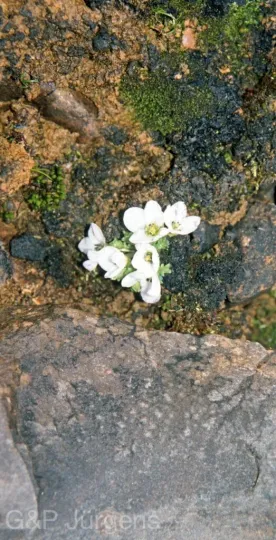
Description
Sowing dates
Arcyosperma primulifolium is a member of the Brassicaceae family, known for its distinct rosette leaves and adaptability to temperate environments.
Sowing should be performed in early spring as soon as the soil becomes workable. The seeds require consistent moisture for uniform germination across the field.
Optimal planting depth is approximately 1 cm, ensuring the seeds are covered enough to retain moisture but shallow enough to emerge quickly.
For container-grown seedlings, start in a greenhouse 6 weeks before the frost date. This ensures strong plant development before transplanting.
Adequate spacing, around 30-40 cm between plants, is essential to minimize competition for nutrients and reduce humidity around the foliage.
Growing requirements
The ideal soil for Arcyosperma primulifolium is well-drained, fertile, and rich in organic matter. Loamy soils provide the best structure for root expansion.
Climate preferences include cool to moderate temperatures. Excessive heat may cause the plant to bolt prematurely, ending its vegetative cycle.
Adequate irrigation is crucial. The soil should be kept consistently moist but never waterlogged to prevent root rot and other physiological issues.
Sunlight requirements are high, but protection from harsh afternoon sun in hot climates can improve the texture and shelf life of the harvested leaves.
Regular fertilization with well-balanced, low-nitrogen compost helps maintain soil health without causing excessive succulent growth that attracts pests.
Main diseases and pests
Pests typical to the Brassicaceae family, such as flea beetles and aphids, pose a significant risk to the plant's health, especially during the seedling stage.
Fungal diseases like clubroot can survive in the soil for years, making crop rotation an essential practice to maintain the health of the field.
Preventative measures, such as using fine mesh covers, are highly recommended to protect young plants from insect damage without relying on chemicals.
If fungal issues appear, improving drainage and air circulation is the most effective management strategy to stop the spread of infection.
Continuous monitoring of the field is necessary to catch any signs of infestation early, allowing for targeted intervention instead of broad-spectrum treatments.