
Emmenanthe penduliflora
Emmenanthe penduliflora
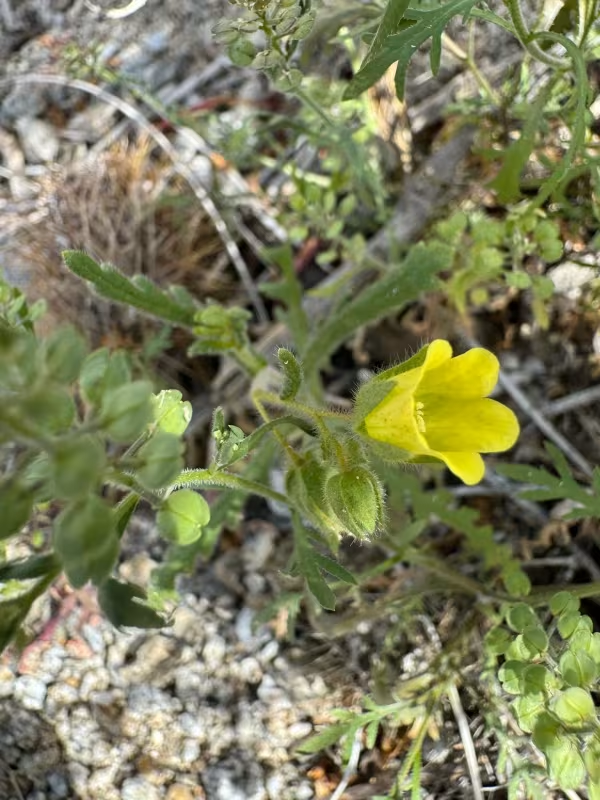
Description
Sowing dates
Emmenanthe penduliflora, commonly known as Whispering Bells, is typically sown directly in the field once the threat of spring frost has completely passed. The seeds require warm soil temperatures to germinate, ideally ranging from 15 to 18 degrees Celsius.
Seeds should be covered with a thin layer of soil, no more than 0.5 to 1 cm deep. Maintaining consistent moisture during the initial two to three weeks is critical for successful emergence, as the seeds need adequate contact with damp soil to break dormancy.
While autumn sowing is possible in regions with mild winters, spring sowing is generally preferred to ensure optimal germination rates and avoid seedling damage caused by cold, wet conditions that can lead to rot.
Once established, the seedlings are quite hardy, but they require a steady supply of moisture during their early growth phase. It is important to thin the plants to ensure a spacing of 20–25 cm, allowing each individual enough room to develop its full size.
The time from sowing to flowering varies depending on the local climate and length of the photoperiod. Generally, the plant completes its life cycle within a few months, making it an excellent candidate for seasonal landscape planting.
Growing requirements
Emmenanthe penduliflora belongs to the Boraginaceae family and is native to arid, open areas, which dictates its preference for full sun exposure. It is highly adapted to environments with high solar radiation and thrives in conditions where other plants might suffer from heat stress.
The soil must be exceptionally well-draining, such as sandy or rocky substrates common in its native desert habitats. Heavy clay soils are unsuitable and must be amended with grit or sand to prevent root asphyxiation, as the plant is highly sensitive to waterlogged conditions.
This species is exceptionally drought-tolerant once mature, capable of sustaining itself with minimal supplemental irrigation. Overwatering is the most common mistake in its cultivation, as it directly promotes root pathogens and ruins the plant's natural form.
Fertilization should be kept to a minimum. Emmenanthe is adapted to nutrient-poor soils; excessive nitrogen leads to rapid, weak vegetative growth that makes the plant prone to lodging and reduces the quality and longevity of its unique, nodding bell-shaped flowers.
The plant performs best in environments with low air humidity. High humidity coupled with cool temperatures can increase the risk of disease and lead to physiological stress, so choosing an airy, open location for planting is essential.
Main diseases and pests
The primary threats to Emmenanthe penduliflora are fungal pathogens related to excess moisture, such as root rot and stem rot. These diseases are nearly impossible to cure once established, so prevention through proper site selection and soil management is the best defense.
Powdery mildew can occur if the plants are crowded or if there is poor air circulation around the foliage. Ensuring sufficient spacing and avoiding overhead watering can significantly reduce the incidence of this fungal issue during periods of high humidity.
Slugs and snails are the most significant insect-like pests, particularly for young seedlings. They can cause substantial damage in a short period, especially in gardens where mulch or debris provides shelter for these mollusks during the day.
Aphids may occasionally infest the developing inflorescences, causing curling and stunted growth. While usually not fatal to a mature plant, they can spread viruses or weaken the plant, making it less attractive and more susceptible to secondary infections.
Integrated pest management should be prioritized over broad-spectrum chemical application. Manual removal of pests and maintaining a dry, well-ventilated environment are the most effective ways to keep a stand of Emmenanthe healthy and productive.