
Ellisia nyctelea
Ellisia nyctelea
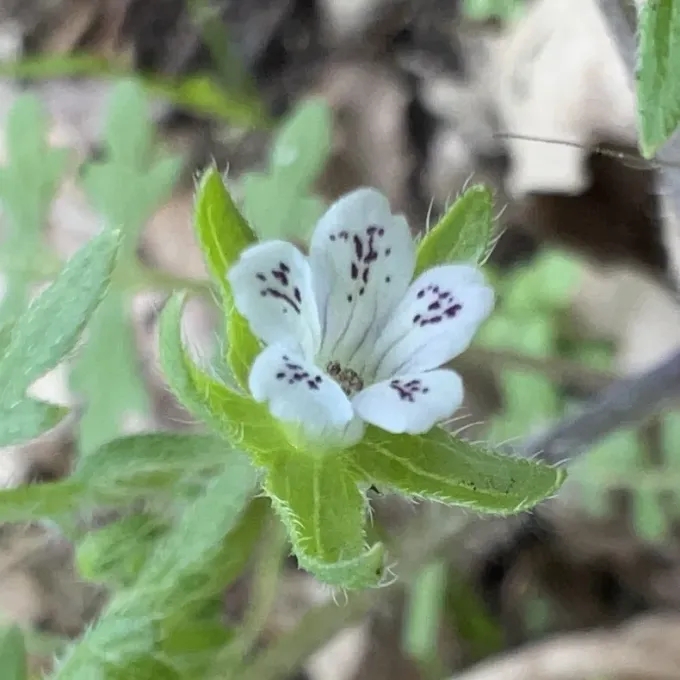
Description
Growing requirements
Ellisia nyctelea, commonly known as Aunt Lucy or nyctelea, is an annual herbaceous plant belonging to the Boraginaceae family. In agronomy, it is identified as a significant weed that competes with various crops for vital nutrients, space, and moisture.
The plant thrives in moist, rich soils and is particularly problematic in damp agricultural areas. Its rapid growth rate allows it to quickly establish dense stands that can suppress the development of neighboring crop plants if not managed appropriately.
Botanically, Ellisia nyctelea features pinnately lobed leaves and small white or pale blue flowers. The stems are covered in short, bristly hairs, a characteristic trait of the Boraginaceae family that provides some level of mechanical resistance to herbivores.
Originating from North America, the species has spread across various regions globally as an invasive or adventive plant. It is frequently observed in spring-planted crop fields, where its early development cycle allows it to get ahead of the main crop.
Climate requirements for this plant favor temperate zones where early spring moisture is abundant. Its germination period aligns with the beginning of the growing season, posing a direct threat to the initial development stages of cultivated crops.
Main diseases and pests
Ellisia nyctelea poses a significant phytosanitary risk by acting as an alternative host for various plant pathogens. It provides a reservoir for viruses and fungi that can easily jump to commercial vegetable or grain crops, reducing overall harvest quality.
The weed supports populations of agricultural pests, including several species of aphids and beetles. These pests utilize the plant for early-season feeding before migrating to higher-value crop species, thereby increasing the burden of pest control.
Effective management requires a combination of mechanical and chemical strategies. Cultivation practices, such as timely disking or harrowing, are highly recommended to disrupt the root system before the flowering stage begins.
Herbicide applications must be carefully timed. Since the species belongs to the Boraginaceae family, selecting the appropriate chemical agent is crucial to ensure efficacy without damaging the primary crop or violating environmental safety regulations.
Preventive measures focus on strict seed purity and crop rotation protocols. By rotating crops that require different soil management strategies, farmers can effectively reduce the seed bank of this weed and maintain higher field productivity.