
Wollastonia biflora
Wollastonia biflora
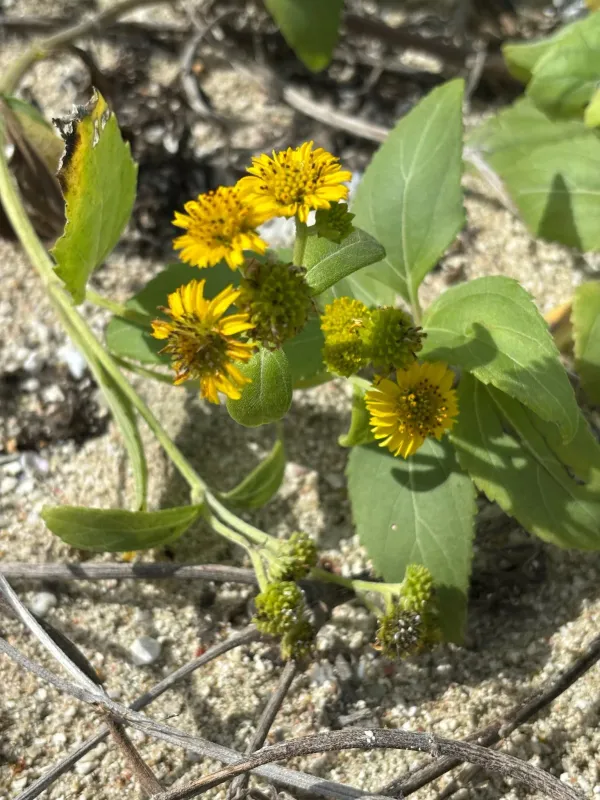
Description
Growing requirements
Wollastonia biflora, often referred to as sea daisy or beach sunflower, is a perennial herb belonging to the Asteraceae family. It is native to the coastal regions of the Indo-Pacific, where it grows naturally on sandy soils and dunes.
The plant is highly valued for its salt tolerance, making it an excellent candidate for coastal landscaping and soil stabilization. It thrives in well-drained, nutrient-rich soils that receive plenty of moisture but are not prone to prolonged waterlogging.
In terms of climate, Wollastonia biflora requires tropical conditions with stable, warm temperatures year-round. It is not frost-tolerant, and any exposure to cold temperatures will significantly stunt its growth or cause plant death.
Botanically, it is characterized by its spreading growth habit and opposite, serrated leaves. The yellow daisy-like flowers are produced throughout the year under optimal conditions, providing high biomass yield for various uses.
Economically, this crop is utilized as a source of livestock fodder in coastal communities. Furthermore, it holds significant pharmacological value due to its traditional use in wound healing, inflammation reduction, and internal medicinal applications.
Main diseases and pests
The main threats to Wollastonia biflora include fungal infections that thrive in high-humidity tropical environments. Leaf spot diseases are particularly common if the planting density is too high, leading to poor airflow.
Pests such as aphids and various caterpillars can cause significant damage to the soft foliage, potentially reducing the overall quality of the harvest. Regular scouting is essential to identify infestations before they spread.
To manage these threats, farmers should implement proper spacing between rows to ensure adequate ventilation. Removing infected plant parts promptly is a simple yet effective cultural control method to limit pathogen spread.
In cases of severe infestation, targeted biological control agents or soft pesticides are recommended. Avoiding heavy chemical use is crucial, especially if the crop is intended for medicinal or fodder use where residue safety is paramount.
Sustainable management involves balancing nutrient application with soil health maintenance to build natural plant resistance. Healthy, well-nourished plants are significantly more capable of resisting common pests and diseases during the growing cycle.