
Willow-leaved aster
Symphyotrichum praealtum
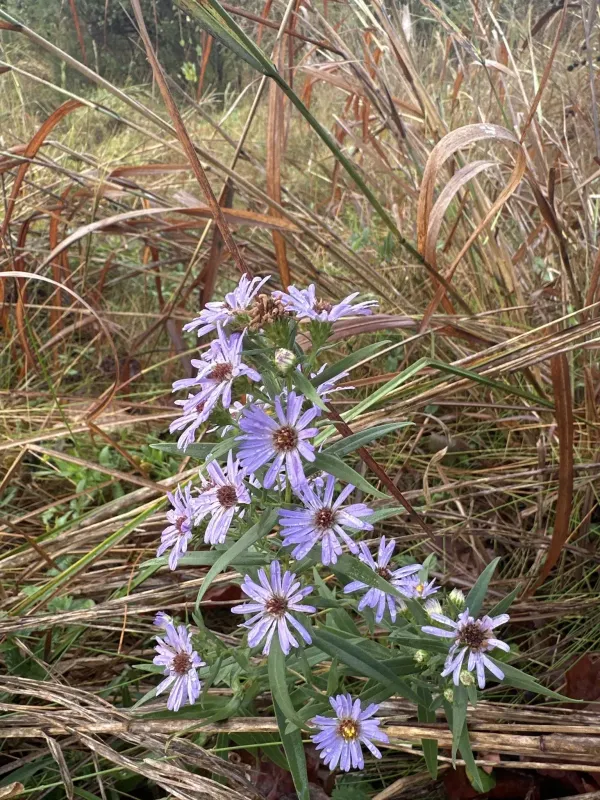
Description
Sowing dates
Seeds of Symphyotrichum praealtum are typically sown in late autumn or early spring after stratification. This cold treatment is essential to break dormancy and ensure uniform seedling emergence.
Indoor seed starting requires sowing in a well-draining soil mix during early spring. Seedlings should be placed in a bright, cool environment to promote sturdy stem development before hardening off.
Transplanting into the garden occurs after the risk of frost has passed. Plants should be spaced at least 50 cm apart to allow for proper airflow and to prevent overcrowding.
Division of mature rootstocks in early spring is the most common vegetative propagation method. This ensures the plant remains vigorous and prevents the center of the clump from dying out.
Stem cuttings can be taken in early summer. These should be treated with rooting hormone and kept in a high-humidity environment until roots are established.
Growing requirements
Symphyotrichum praealtum belongs to the Asteraceae family and is native to North America. It is a robust perennial herb known for its willow-like leaves and late-season flowering.
This species thrives in full sun but can tolerate light shade. It prefers well-drained, fertile soil that retains moisture but does not waterlog during the growing season.
Regular irrigation is vital during dry periods to prevent leaf scorch and premature wilting. Mulching with organic matter helps maintain soil moisture and suppress weed growth.
Balanced fertilizers should be applied in early spring as new growth emerges. Avoid excessive nitrogen, which can lead to weak, floppy stems prone to lodging.
The plant is highly winter-hardy and requires minimal maintenance in colder climates. Late autumn cleanup involves cutting back the dead stalks to ground level.
Main diseases and pests
Powdery mildew is a frequent issue in humid climates. Proper spacing and airflow are critical to preventing the onset of this fungal pathogen on the foliage.
Rust infections can occur during long periods of wet weather. Affected plant parts should be removed promptly to reduce the number of spores in the immediate environment.
Aphids tend to colonize the flower buds and young growth. Systematic monitoring and the use of insecticidal soaps are usually sufficient to manage these infestations.
Spider mites may appear during periods of intense heat and dry conditions. Regular foliage misting or specialized acaricides can help manage mite populations effectively.
Root rot often occurs if the planting site lacks sufficient drainage. Always ensure the chosen location is not a low-lying spot where water tends to accumulate.