
Wollastonia dentata
Wollastonia dentata
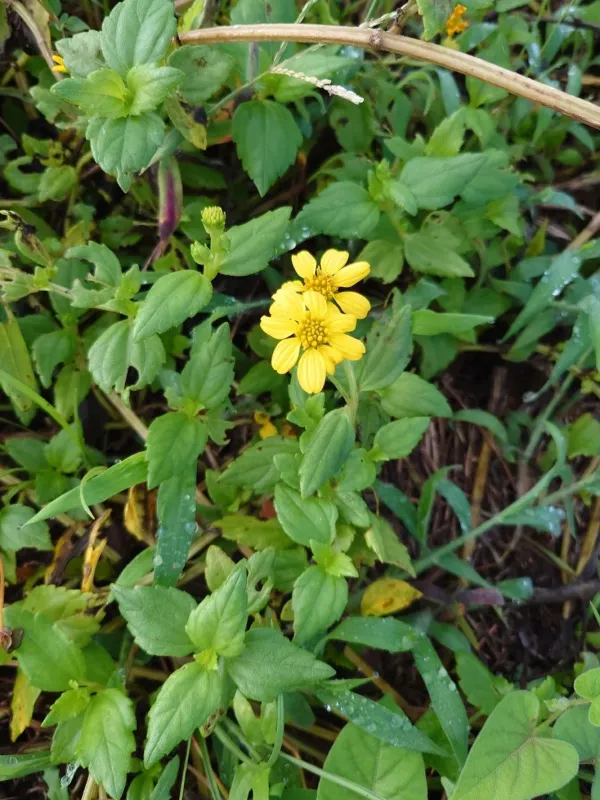
Description
Sowing dates
Sowing Wollastonia dentata is typically performed in early spring once the risk of frost has completely passed and the soil has sufficiently warmed up.
Using a seed-starting tray with a high-quality, well-draining potting mix is recommended to ensure optimal germination rates for this specific species.
Seeds should be lightly covered with a thin layer of soil, maintaining constant moisture levels until germination occurs, which usually takes 10 to 14 days.
When sowing outdoors, it is essential to prepare a sunny, weed-free seedbed to prevent competition from more aggressive plant species during the early growth phase.
Once seedlings have developed at least two sets of true leaves, they should be carefully transplanted to their final growing location to promote robust development.
Growing requirements
Wollastonia dentata is a member of the Asteraceae family, known for its adaptability to tropical and subtropical climates where high light intensity is prevalent.
The plant thrives in loose, loamy soil that is rich in organic matter, ensuring that the roots have access to both nutrients and adequate oxygen levels.
It requires consistent watering during the peak growing season, but it is critical to ensure that drainage is adequate to prevent long-term waterlogging.
Temperature-wise, it prefers a warm environment with an average range of 22°C to 28°C, and it should be protected from sudden temperature drops.
Regular maintenance, including light pruning to encourage bushier growth and the removal of spent flowers, will significantly enhance the overall plant aesthetic.
Main diseases and pests
Common pests such as aphids and spider mites can infest the foliage, particularly during periods of dry weather or if the plant is under environmental stress.
Fungal diseases like powdery mildew may appear if the plant is grown in areas with poor airflow and high humidity, necessitating proper spacing between individual plants.
Root rot is a significant risk in poorly draining soils, which can often be identified by the yellowing of lower leaves and a general wilting appearance.
Effective pest management involves integrated practices, including the use of horticultural oils or soaps, and ensuring the plants are not overcrowded.
Routine scouting for early indicators of pathogen attack is the most effective way to maintain a healthy and productive display of Wollastonia dentata throughout the season.