
Trixis
Trixis
The Trixis genus belongs to the extensive Asteraceae family. These plants are primarily perennials, ranging from herbaceous forms to small shrubs, which have evolved to thrive in diverse ecological niches across the Americas.
What the section contains


Trixis
The natural range of Trixis extends from the southwestern United States down through Mexico and Central America to Argentina and Chile. They are commonly found in arid forests, shrublands, and rocky outcrops, where they show remarkable resilience to local environmental stressors.
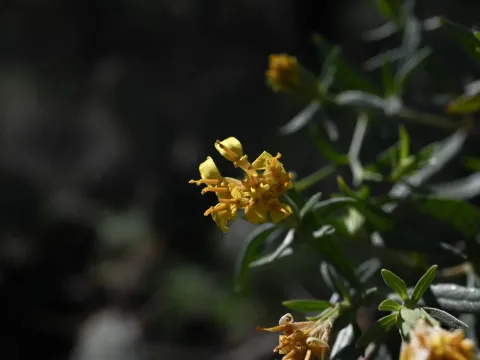
Botanically, Trixis is distinguished by its characteristic flower heads, which contain a mix of ray and disc florets. The leaves are typically alternate and can vary from entire to serrated, a morphological adaptation that assists in water retention under intense sunlight.
Soil requirements for the genus are quite adaptable, though they perform best in well-drained soils with a neutral to slightly alkaline pH. Excessive moisture around the root zone is a critical limiting factor for the survival of most Trixis species, as it often leads to root decay.
In terms of human use, some Trixis species are valued as honey plants and are increasingly used in xeriscaping projects. Historically, certain species have held significance in the ethnobotanical practices of indigenous cultures due to their unique chemical compositions.
Fungal diseases are the primary threat to Trixis plants in natural and cultivated environments, especially when moisture levels are poorly managed. Powdery mildew can impact foliage during periods of high humidity if airflow around the plant remains insufficient.
Pests such as spider mites and aphids pose a consistent challenge, particularly in hot and arid conditions. These insects extract vital cell sap, which weakens the plant and significantly reduces its ability to produce vibrant blooms.
Competition from invasive plant species can hinder the development of Trixis in its native habitats. Careful site selection and consistent management practices are required to protect established clusters from being overwhelmed by more aggressive weeds.
Root system damage caused by soil-dwelling larvae can lead to the sudden wilting of the above-ground biomass. Regular monitoring of soil health and drainage efficiency is essential during the active growing season to prevent significant damage.
Effective prevention strategies include adhering to proper cultural practices, ensuring optimal soil aeration, and promptly removing any infected plant parts to prevent the spread of pathogens throughout the population.