
Trixis cacalioides
Trixis cacalioides
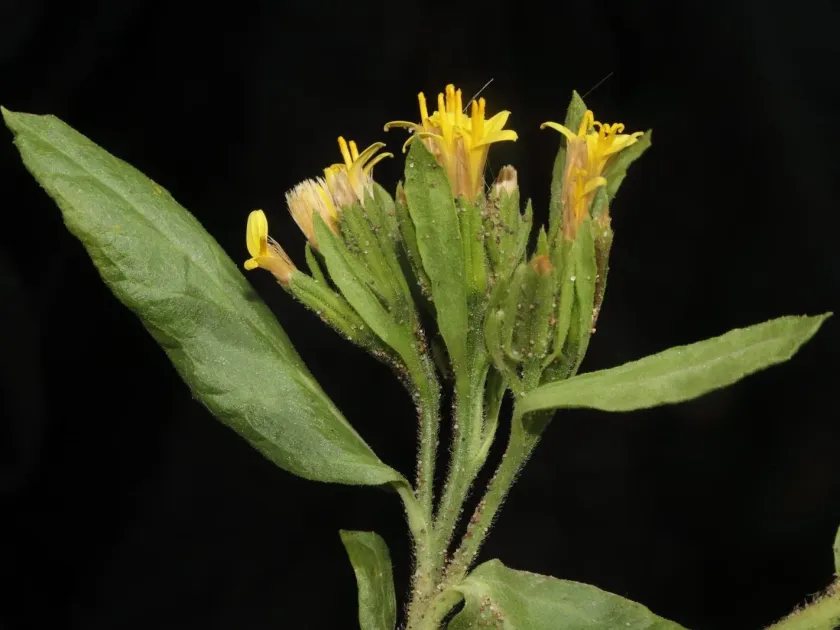
Description
Growing requirements
Trixis cacalioides is a perennial plant belonging to the Asteraceae family, native to the diverse landscapes of South America. It is typically found in arid or semi-arid environments where it has evolved to thrive under challenging ecological conditions.
This species requires full sun exposure to maintain its vigorous growth habit and stimulate floral development. In agricultural settings, it is essential to ensure that the site receives unobstructed light, as the plant is highly photophilous.
Regarding soil requirements, the plant demands well-drained, porous media such as sandy or rocky soils. Poorly drained soil leads to root rot and other moisture-related pathogens, making soil texture the primary concern for agronomists managing this crop.
The plant demonstrates remarkable climate adaptation, specifically to regions with low humidity and distinct seasonal rainfall patterns. It is suited for areas where temperatures remain stable without extreme frost, which could damage the vegetative tissue.
From a botanical standpoint, Trixis cacalioides is characterized by its distinct flower heads and lanceolate foliage. Its root system is structurally adapted to explore deep soil layers, enabling the plant to withstand dry spells that would otherwise stress less resilient vegetation.