
Trixis californica
Trixis californica
Description
Growing requirements
Trixis californica is a perennial shrub belonging to the Asteraceae family, native to the arid landscapes of the Sonoran and Mojave Deserts. It is highly adapted to extreme temperature fluctuations and intense solar radiation common in its natural habitat.
The plant thrives in well-drained, sandy, or rocky soils, which are typical of desert canyons and foothills. Soil compaction is generally detrimental to the development of its root system, and excellent aeration is required to ensure long-term plant vitality.
As a xeric-adapted species, it requires minimal supplemental irrigation once the plants are established. Its physiological processes are geared toward maximizing water efficiency, allowing it to remain evergreen or semi-deciduous depending on the season and available moisture.
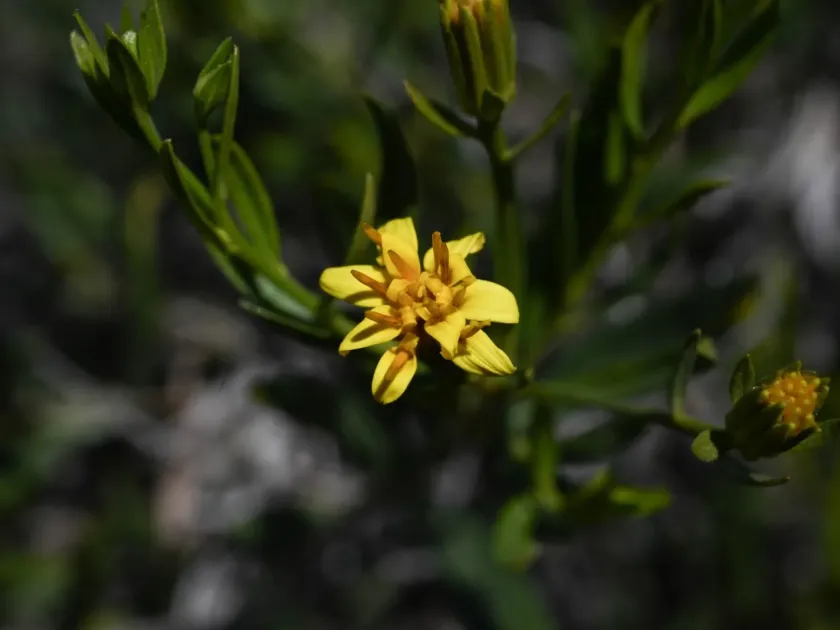
Botanically, Trixis californica displays lanceolate foliage and distinctive yellow flower heads that attract various desert pollinators. The plant typically reaches a moderate height, forming dense, shrubby clusters that provide essential cover for local wildlife.
Regarding its utility, the species is widely recognized for its potential in landscape restoration and soil stabilization projects. Its root structure is adept at anchoring shifting desert soils, playing a crucial role in preventing land degradation in vulnerable areas.
Main diseases and pests
The primary concern for Trixis californica in a managed environment is susceptibility to root rot caused by poor drainage or excessive irrigation. The plant is evolutionarily structured to endure drought, not moisture-saturated soil environments.
Pest pressure is generally low, as the plant has natural defense mechanisms, such as bitter compounds, that discourage most herbivores. Occasional outbreaks of common greenhouse pests like spider mites may occur if plants are kept in poor ventilation conditions.