
Trixis inula
Trixis inula
Description
Growing requirements
Trixis inula is a perennial subshrub belonging to the Asteraceae family. Native to the tropical and subtropical regions of the Americas, it is widely recognized for its robust growth habit and adaptability to various environmental conditions.
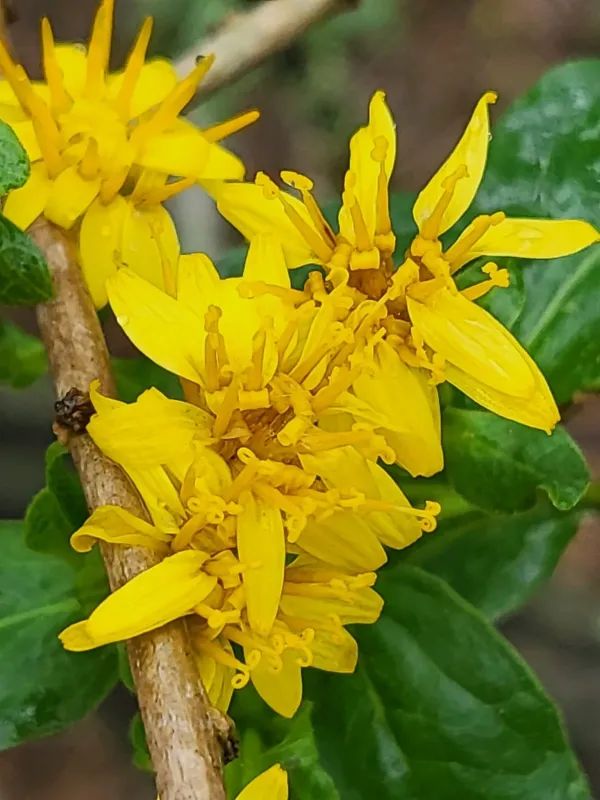
Botanically, the plant features elongated, lanceolate leaves and bright yellow flower heads that bloom over an extended period. It typically reaches a height of one to one and a half meters, forming dense, shrubby clumps in its natural habitat.
Regarding soil requirements, Trixis inula thrives in well-drained, porous soils ranging from sandy to loamy textures. It is notably tolerant of moderate drought conditions, although it performs best when provided with consistent soil moisture during the peak growing season.
The climate requirements include warm temperatures and full sun exposure. The species is sensitive to severe frost, so cultivation is restricted to frost-free zones or requires specific protective measures during the colder winter months.
In agricultural practice, this plant is primarily valued for its role as a honey-producing crop. It acts as a significant forage source for pollinators, contributing to biodiversity in sustainable farming systems and ecosystem restoration projects.
Main diseases and pests
The primary threats to Trixis inula include fungal pathogens, particularly powdery mildew, which can develop in high-humidity environments or stagnant air conditions.
Root rot is a critical concern, especially in fields with poor drainage or heavy clay content, leading to rapid wilting and plant decline if not addressed through soil management.
Pest pressures often involve aphids and spider mites, which can cause significant damage to the leaf tissue and reduce the plant's overall vigor if infestations are left unchecked.
Integrated pest management strategies are highly recommended to preserve the population of beneficial insects, such as bees, that utilize Trixis for nectar and pollen.
Proper field maintenance, including adequate plant spacing and regular weeding, is essential to minimize disease transmission and promote a healthy, productive growing environment.