
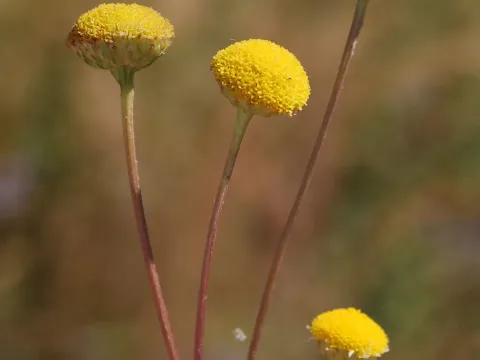
Tripleurospermum disciforme
Tripleurospermum disciforme
Tripleurospermum disciforme is an annual herbaceous plant, requiring careful planning of sowing dates for optimal yield. The best time for planting is early spring, once the soil has warmed to at least 8–10 degrees Celsius.
What the section contains
Tripleurospermum disciforme
Winter sowing is also a viable option, allowing seeds to undergo natural stratification, which results in more vigorous seedling emergence as soon as spring temperatures rise. This method can significantly reduce early-season weed competition.
The seeding rate is typically between 2 to 4 kilograms per hectare. It is crucial to verify seed quality, including germination energy and purity, to ensure a uniform and healthy stand of the medicinal herb.
Due to the small size of the seeds, planting depth must be kept shallow, specifically within 1 to 2 centimeters. Proper depth ensures that the seeds have enough energy to reach the surface while avoiding desiccation.
Compaction of the soil after sowing is a standard procedure in its agronomy. It ensures optimal capillary moisture movement from the deeper soil layers toward the seeds, significantly increasing the probability of successful germination.
Belonging to the Asteraceae family, this plant is known for its high ecological adaptability. While it can thrive in various soil types, it shows the best results on well-drained, light loamy soils with good aeration.
The plant is highly photophilous and requires full sun exposure for optimal development. Shaded sites lead to poor vegetative development and a significant decrease in the concentration of essential oils in the biomass.
Although it possesses moderate drought tolerance, consistent soil moisture during the active growth phase is critical for high biomass yields. Excessive moisture, however, can be detrimental if it leads to stagnant water.
The soil reaction should ideally be near neutral. Highly acidic soils may require liming to adjust the pH level, as this significantly improves nutrient availability and supports the growth of the root system.
Mineral fertilization plays an important role in crop management. Balanced application of phosphorus and potassium fertilizers strengthens plant resistance to biotic and abiotic stressors, while nitrogen levels should be moderated.
The main commercial application for Tripleurospermum disciforme is within the pharmaceutical sector. The plant is valued for its flavonoids and essential oils, which are used in various medicinal preparations and herbal supplements.
Under optimal management, the yield of dried herb can reach 15 to 20 decitons per hectare. Precise harvesting and careful post-harvest processing are key factors in achieving these yield targets consistently.
Quality control is centered on the concentration of bioactive compounds. Advanced drying technologies and strict storage standards ensure that the active ingredients remain stable throughout the shelf-life of the product.
Ongoing research aims to select high-yielding varieties that are more resilient to changing environmental conditions. This strategy helps increase the profitability of the crop for commercial farmers specializing in medicinal herbs.
The product is typically supplied to pharmaceutical manufacturers who require high-purity raw materials. Meeting international quality standards is essential for expanding market reach for this specialized agricultural commodity.
While relatively robust, this plant can suffer from fungal infections under conditions of high humidity. Powdery mildew is one of the most common issues, particularly in dense plantings with poor airflow.
Pests such as aphids are a significant concern during the budding phase. These insects can cause substantial yield loss if left unchecked, making regular field monitoring a mandatory practice for successful growers.
Root rot can be a symptom of poor soil drainage. Ensuring adequate field layout and avoiding low-lying spots prone to waterlogging are the most effective preventive measures against these soil-borne threats.
Competition from weeds is most severe in the initial stages after germination. Effective weed control using mechanical inter-row cultivation is vital to prevent weeds from suppressing the growth of the medicinal crop.
The use of pesticides must be strictly managed and kept to a minimum. Compliance with environmental regulations is crucial to ensure the final product meets safety standards for human medicinal consumption.
The harvest is conducted during the peak flowering stage, as this is when the concentration of essential oils and other medicinal compounds is at its maximum. Timing is the most critical factor for quality.
Mechanical harvesting using specialized mowers is the standard approach. Growers must take care to minimize the inclusion of dirt, weeds, and other debris, which would otherwise complicate the downstream processing steps.
Immediate drying after harvest is required to prevent biological degradation. Using controlled-temperature drying facilities prevents the loss of volatile oils and helps maintain the vibrant color of the floral parts.
After reaching the target moisture content, the product is packaged in materials that protect it from light, humidity, and atmospheric pollutants. Proper packaging is essential for maintaining therapeutic efficacy.
The entire post-harvest chain is subject to rigorous inspections to ensure that the batch meets the standardized requirements for purity, consistency, and active ingredient concentration required by the buyers.