
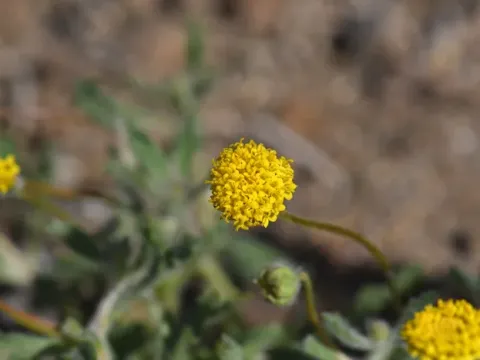
Trichoptilium
Trichoptilium
Trichoptilium is a monotypic genus of plants in the sunflower family (Asteraceae), represented by the species Trichoptilium incisum. It is native to the desert regions of the southwestern United States and northwestern Mexico, where it thrives in harsh environments.
What the section contains

Trichoptilium
As a true xerophyte, this plant is exceptionally adapted to arid conditions. It requires well-drained, sandy, or rocky soil profiles. Heavy clay soils that retain water for long periods are unsuitable for its cultivation and often lead to physiological decline.
Environmental requirements for Trichoptilium include high solar radiation and low relative humidity. It is a thermophilic plant that performs best in open, sunny locations where it can complete its life cycle without the interference of excessive soil moisture.
Botanically, the plant is distinguished by its finely incised, greyish-green foliage covered in dense hairs. These features act as a protective barrier against heat stress and desiccation, allowing the plant to maintain turgor even during peak desert temperatures.
In modern horticulture, Trichoptilium is primarily valued for its utility in xeriscaping. It serves as a sustainable option for landscaping in water-scarce regions, where maintaining conventional flora would require unsustainable irrigation inputs.
The most significant threat to Trichoptilium is the presence of fungal pathogens triggered by high soil moisture levels. Root rot and damping-off are common issues when the plant is grown in areas with poor drainage or excessive artificial watering.
Insect pests, including various leaf-chewing larvae, may occasionally target the foliage. However, the plant's physical defenses, such as its dense pubescence, provide a moderate level of natural protection against many generalist insect herbivores.
Weed pressure can be problematic during the germination phase. As a relatively slow-growing plant in its early stages, it requires clean seedbeds to ensure that seedlings are not overwhelmed by more vigorous opportunistic weed species.
Abiotic stresses, particularly unseasonal frosts or extreme humidity, can disrupt the plant's metabolic functions. Growers should monitor local weather patterns and implement protective measures if the climate deviates significantly from the plant's arid native range.
Good agricultural practice for this species focuses on preventive measures: proper soil selection, avoiding over-irrigation, and maintaining adequate spacing to ensure sufficient airflow around the base of the plant to prevent humidity buildup.