
Tridax coronopifolia
Tridax coronopifolia
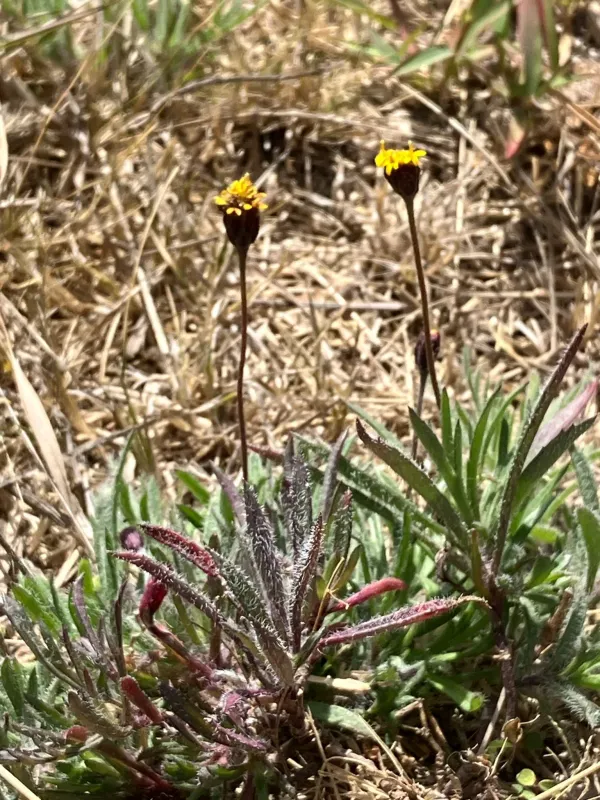
Description
Growing requirements
Tridax coronopifolia is a perennial herbaceous plant belonging to the Asteraceae family. Originating from Mexico, this species is highly valued for its compact growth habit and consistent flowering, making it a distinct subject within its botanical genus.
The plant features distinctively pinnate leaves and daisy-like flower heads. Its stems are typically branched, allowing for a bushy appearance that requires sufficient spacing during cultivation to ensure proper air circulation and light penetration.
In terms of soil requirements, this species thrives in well-drained, sandy loam soils. It is intolerant of heavy, clay-based substrates that tend to retain excess moisture, which can lead to physiological stress and root degradation.
Sunlight is a critical factor for the development of Tridax coronopifolia. It requires full sun exposure to maintain its structural integrity and encourage the production of blooms. Partial shade may result in weak stems and diminished flowering capacity.
Climatic requirements involve moderate warmth, with an ideal temperature range between 18°C and 26°C. While the plant can tolerate short periods of heat, it does not survive frost, necessitating careful management in colder climate zones.
Main diseases and pests
Root rot is the most common pathological threat to Tridax coronopifolia, primarily caused by over-irrigation or improper soil drainage. Preventing waterlogged conditions is the best management strategy for long-term survival.
Powdery mildew represents a significant risk to the foliage during periods of high humidity and poor ventilation. Cultural control measures, such as pruning for air circulation and avoiding overhead watering, are recommended.
Aphids are frequent pests that infest the tender apical shoots of the plant. Their feeding causes leaf curling and can transmit secondary viral infections if the infestation is not managed through timely intervention.
Spider mites are problematic during hot, dry growing conditions. Regular monitoring of the leaf undersides is essential, and application of miticides or high-pressure water spraying may be used to control the population.
Fungus gnats can occasionally pose a problem in nursery or greenhouse settings where the soil surface remains consistently moist. Managing soil surface drying cycles effectively disrupts their life cycle and prevents root damage.