
Tragopogon porrifolius
Tragopogon porrifolius L.
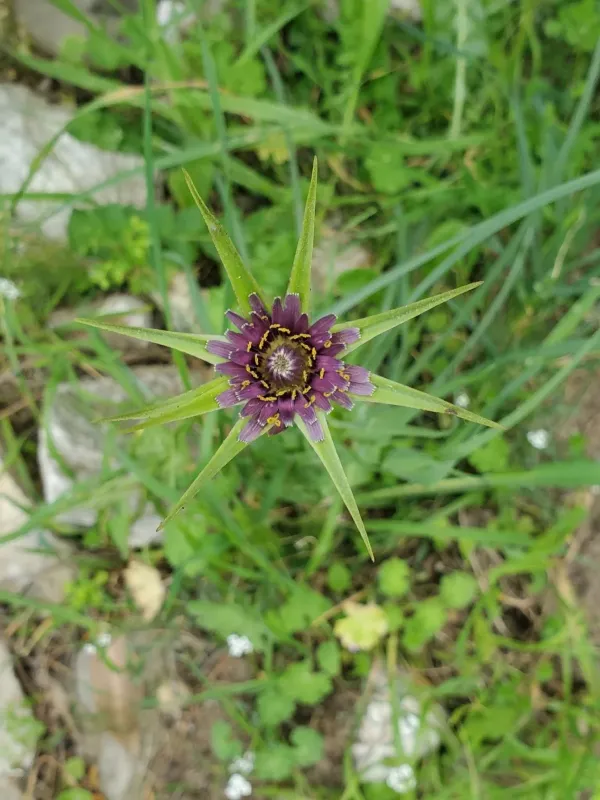
Description
Sowing dates
Tragopogon porrifolius, commonly known as salsify or oyster plant, is a biennial plant belonging to the Asteraceae family. Seeds are typically sown in early spring as soon as the soil is workable and has reached a temperature of 5-8 degrees Celsius.
The recommended row spacing is 30 to 40 centimeters, which provides sufficient room for growth and maintenance. Seeds should be planted at a depth of 2-3 centimeters into well-prepared soil.
Germination can be slow and sporadic; therefore, it is crucial to keep the soil consistently moist until the seedlings emerge. Covering the seedbed with a fleece can improve success rates in cooler regions.
Winter sowing is an option in milder climates, allowing for an earlier harvest in the following season. Proper thinning to 15 centimeters between plants is essential for developing large, healthy roots.
Consistent care during the early stages of growth is vital, as the seedlings are delicate and can be easily outcompeted by weeds if not properly monitored.
Growing requirements
This crop thrives in a cool temperate climate and prefers full sun exposure. It is highly hardy and adapts well to seasonal changes, making it a reliable plant for many northern gardeners.
Ideal soil conditions consist of deep, stone-free, fertile sandy loam. Any obstruction, such as rocks or heavy clay, will cause the roots to fork and deform, reducing the quality of the harvest.
The soil should have a neutral pH and be free of fresh manure, as high nitrogen levels encourage excessive leaf growth at the expense of root development. Proper soil aeration is key to preventing root rot.
Maintenance includes regular weeding and light hoeing to ensure soil oxygenation. While the plant is drought-tolerant once established, supplemental irrigation is necessary during dry spells to maintain root size.
Effective crop rotation is recommended to minimize soil-borne pathogens and nutrient depletion, avoiding other Asteraceae crops in the same bed in consecutive years.
Yield
Under optimal conditions, the yield for salsify can reach between 2 to 4 kilograms per square meter. The plant is prized for its long, cylindrical taproots that have a unique, subtle oyster-like flavor.
The root is an excellent source of inulin, a prebiotic fiber, making it a popular choice for health-conscious consumers. Its nutritional profile includes significant amounts of potassium, iron, and B vitamins.
Culinary applications are versatile; the roots can be roasted, boiled, or pureed into soups and gratins. They are often used as a gourmet vegetable due to their refined texture and taste.
Young foliage can also be harvested and used in salads, providing a mild flavor that complements other greens. Proper handling after harvest is necessary to ensure the roots remain crisp.
Storing the harvested roots in a cool cellar covered with sand can prolong their shelf life for several months, keeping them usable throughout the winter season.
Main diseases and pests
White rot is a significant concern for salsify, especially in soils with poor drainage. Over-watering and waterlogged conditions are the primary catalysts for this fungal infection.
Wireworms can be a major pest, tunneling into the developing roots and causing significant damage. Managing soil health and avoiding infested areas are the best preventative measures.
Aphids may occasionally attack the leafy rosettes during warm, dry weather. Biological control or mild soap sprays are typically effective at keeping populations below damaging thresholds.
Regular inspection of the foliage and roots allows for early detection of potential issues. Removing diseased plants promptly prevents the spread of infection to healthier parts of the crop.
Proper hygiene, such as removing old plant debris and controlling nearby weed populations, significantly lowers the risk of pest and disease outbreaks in the vegetable plot.
Harvesting
Harvesting takes place in late autumn when the roots have reached full maturity. Using a garden fork is recommended to lift the roots carefully without causing breakage.
For those who prefer, some roots can be left in the ground overwinter, protected by a layer of mulch. Spring-harvested roots are often considered sweeter and more flavorful due to starch-to-sugar conversion.
If harvesting in the spring, it is imperative to finish the task before the plant begins its second-year growth spurt. Once the flower stalks develop, the roots become woody and inedible.
After lifting, trim the tops immediately and allow the roots to dry slightly in a shaded, well-ventilated area to heal any surface wounds before storage.
Careful post-harvest handling is critical because the roots are susceptible to bruising, which can quickly lead to decay during storage if left untreated.