
Takhtajaniantha pusilla
Takhtajaniantha pusilla
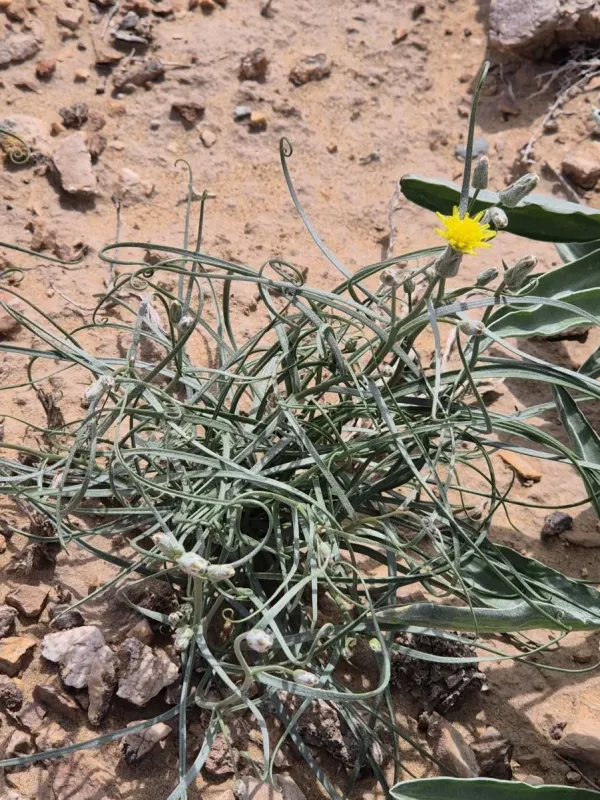
Description
Growing requirements
Takhtajaniantha pusilla is a perennial herbaceous plant belonging to the Asteraceae family. Known for its small, compact growth form, it thrives in environments that are typically hostile to more demanding agricultural crops, showcasing remarkable evolutionary adaptations.
The plant originates from the arid regions and steppes of Central Asia. Its natural habitat is characterized by extreme temperature fluctuations, sparse rainfall, and saline-alkaline soil conditions, which the plant manages through a specialized root system and high metabolic efficiency.
Botanically, it features a distinct basal rosette that protects the growing point from drying winds and helps maintain a micro-environment around the crown. The flowers are adapted to pollinator activity typical of arid steppes, ensuring effective seed production even in low-density populations.
Requirements for cultivation include a well-draining, loose soil substrate, such as sandy or gravelly loam. The plant is extremely intolerant of waterlogged soil conditions, which can lead to rapid decay of its succulent-like root tissues.
Full sun exposure is non-negotiable for the healthy development of Takhtajaniantha pusilla. Sufficient light intensity is necessary to stimulate the metabolic pathways responsible for the plant's structural integrity and its ability to store energy for the dormant season.
Main diseases and pests
The primary threats to this species are fungal pathogens, specifically those causing root and crown rot. These diseases are almost exclusively triggered by poor drainage or excessive humidity during the growing season, which compromises the plant's natural defenses.
Insects like aphids and spider mites can occasionally affect the aerial parts of the plant, especially if the plants are grown in suboptimal conditions with poor air circulation. Integrated pest management should focus on biological control agents rather than harsh chemical pesticides.
Weed competition is a significant threat during the seedling stage. Since Takhtajaniantha pusilla has a relatively slow initial growth rate, it cannot compete for sunlight and nutrients with aggressive pioneer weed species, requiring manual intervention during the establishment phase.
Soil-borne pests may also present a challenge if the site selection has been poor, particularly if the land was recently used for other Asteraceae members. This highlights the importance of maintaining a proper crop rotation cycle to prevent the accumulation of host-specific pathogens.
Environmental stress, such as unseasonal frost combined with high soil moisture, can cause tissue damage. Proper monitoring and site preparation, focusing on soil structure and elevation, are the most effective strategies for mitigating these potential risks to the crop yield.