
Stephanomeria pauciflora
Stephanomeria pauciflora
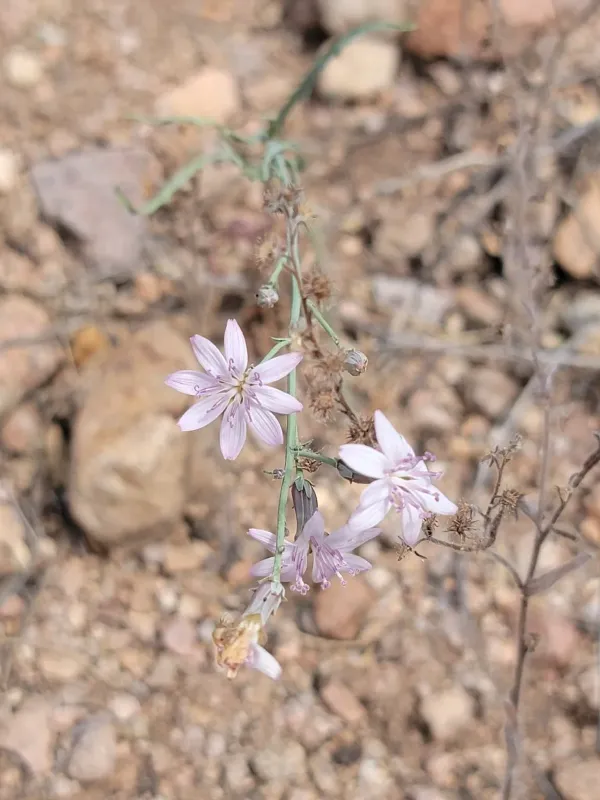
Description
Growing requirements
Stephanomeria pauciflora, commonly known as desert straw, belongs to the Asteraceae family. This perennial herb is native to the arid western regions of North America, where it thrives in extreme desert and semi-desert conditions.
The plant exhibits remarkable xerophytic adaptations, characterized by reduced leaf surface area and a robust root system. This allows the plant to extract water from deep soil layers, making it highly resilient to extended periods of drought.
Cultivation requires soils with excellent drainage properties, preferably sandy or rocky substrates. Heavy, clay-rich soils are generally unsuitable due to the risk of water retention, which is detrimental to the species.
Optimal growth occurs in areas with high light intensity and long, hot, and dry growing seasons. It is essentially an open-space plant that requires minimal competition from other vegetation to maximize its biomass production.
Agronomic management focuses on respecting the plant's sensitivity to moisture. Irrigation should be applied only during the establishment phase, with subsequent moisture levels being kept at a minimum to maintain physiological health.
Main diseases and pests
Root rot is the most significant pathological threat to the crop, usually caused by improper soil drainage or excessive irrigation. This condition often results in rapid plant collapse in susceptible populations.
Insect pests, particularly aphids, frequently colonize the inflorescences and young stems. Severe infestations can significantly reduce seed set and weaken the overall structure of the plant.
Weed management is critical during the initial stages of growth, as the plant establishes itself slowly. Manual weeding or careful mechanical cultivation is required to prevent shading and nutrient competition.
Powdery mildew may occur in regions with uncharacteristically high humidity. This fungus can compromise the photosynthetic capacity of the leaves, hindering the maturation of seeds.
Soil-borne larvae may occasionally feed on the root collar, creating entrance points for secondary bacterial infections. Regular monitoring of the basal area is advised to identify early signs of damage.