
Sigesbeckia serrata
Sigesbeckia serrata
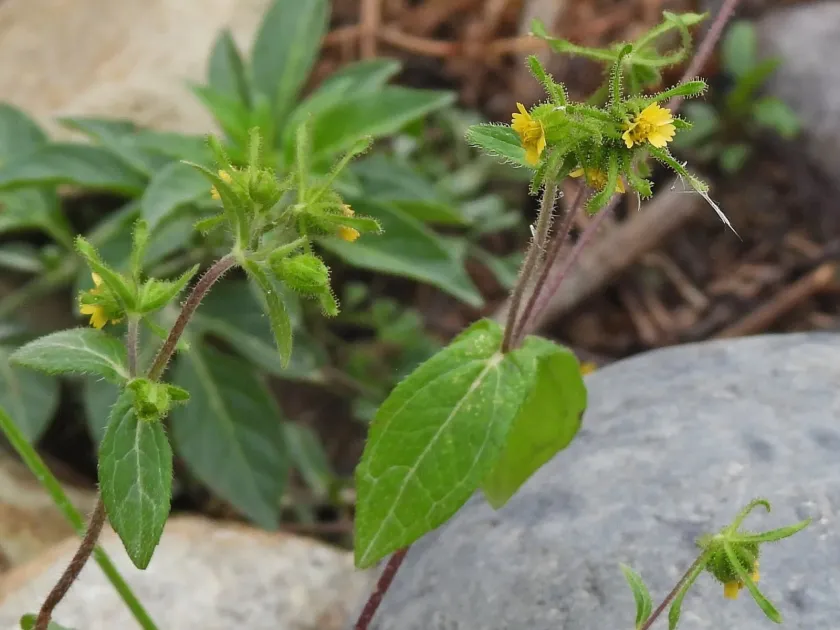
Description
Growing requirements
Sigesbeckia serrata is a representative of the Asteraceae family, native to the humid mountainous regions of Asia. It is a distinct herbaceous plant valued in various traditional medical practices for its biochemical composition.
The crop requires fertile, well-drained loamy soils for optimal development. Maintaining a neutral soil reaction is essential to ensure that the nutrients are bioavailable to the root system during the peak vegetative phase.
Climate requirements include a stable moderate temperature range and protection from intense heat. The plant thrives best in areas with partial shade, simulating the natural light conditions of its native habitat.
The agrotechnics involve regular soil aeration through hoeing to prevent compaction. Proper water management is crucial, as the plant does not tolerate waterlogging, which often leads to root collar rot and general decline.
The industrial use of this plant is primarily focused on the extraction of active compounds. Its medicinal properties make it a niche but valuable crop for botanical pharmaceutical production, requiring specific harvesting protocols.
Main diseases and pests
Powdery mildew is a common fungal threat under humid conditions with poor air circulation. To manage this, growers should ensure adequate spacing between rows to promote efficient drying of the leaf surfaces.
Aphids and spider mites are typical pests that can cause severe damage by feeding on young foliage. Integrated pest management, including natural predators and selective insecticides, is recommended for sustainable control.
Root rot, driven by stagnant water and heavy soil, poses a significant risk to the plant survival. Preventive measures such as choosing well-drained fields and maintaining clear drainage channels are highly effective.
Weed infestation presents a major challenge during the early stages of growth. Mechanical weeding or careful mulching should be employed to keep the plots free from aggressive invasive weeds that compete for sunlight.
Monitoring for signs of chlorosis or stunted growth helps in identifying nutrient deficiencies or pest attacks early. Quick intervention prevents the spreading of diseases across the entire cultivated area.