
Cup plant
Silphium perfoliatum L.
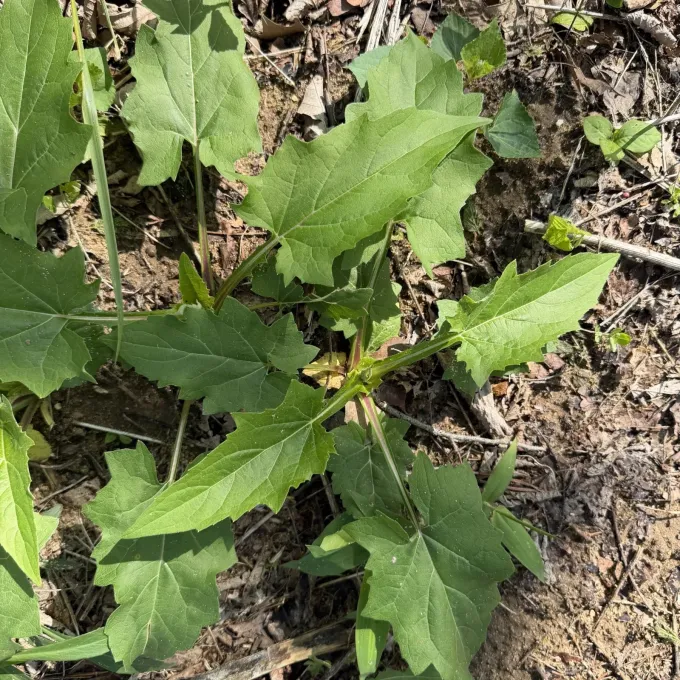
Description
Sowing dates
Cup plant (Silphium perfoliatum L.) is a robust perennial herb belonging to the Asteraceae family. Its seeds have a hard seed coat and typically require cold stratification to ensure uniform germination.
The ideal sowing time is early spring once soil temperatures reach 5–8 degrees Celsius. Autumn sowing is also possible, as it allows seeds to undergo natural stratification in the ground.
The seeding rate varies depending on the intended use, averaging 8 to 12 kilograms per hectare in row crops. Seeds should be planted at a shallow depth of 2–3 centimeters.
During its first year, the crop develops slowly, focusing on establishing a deep root system and a basal leaf rosette. Weed control is critical during this establishment phase.
Pre-sowing treatment, such as soaking seeds in growth stimulants, can significantly improve the speed and uniformity of germination in the field.
Growing requirements
Cup plant is relatively demanding regarding moisture and soil fertility, although it shows remarkable adaptability to a wide range of climatic conditions.
It thrives best in deep, structured chernozem soils and well-cultivated loamy soils with a neutral or slightly acidic pH level.
The plant is highly winter-hardy and can withstand severe freezing temperatures, as well as temporary waterlogging during the spring melt.
To maximize green biomass production, consistent rainfall or irrigation is required, particularly during the first half of the growing season.
When establishing a plantation, choose locations protected from strong prevailing winds, as the tall, hollow stems can exceed 2 meters and may be prone to lodging.
Yield
Under optimal management, cup plant can produce between 60 to 100 tonnes of green biomass per hectare, making it a highly productive fodder source.
As a long-lived perennial, the crop can remain productive on the same field for 15 to 20 years, providing consistent annual yields.
The nutritional value is excellent, characterized by high levels of protein, sugars, and carotene, making it an ideal candidate for high-quality silage and haylage.
Beyond its value in livestock feed, the cup plant is an exceptional honey plant, producing nectar even in dry conditions and supporting pollinator health.
Peak yields are typically observed from the third to the fifth year of cultivation, after which the stand stabilizes provided that soil nutrients are regularly replenished.
Main diseases and pests
Cup plant possesses strong natural resistance to most pests and diseases, allowing for sustainable cultivation with little to no reliance on synthetic pesticides.
In conditions of extreme soil moisture, roots may be susceptible to decay, typically caused by poor drainage or stagnant water standing in the field.
Insect pests rarely cause economic damage, although young seedlings may occasionally be impacted by soil-dwelling larvae during the first year of growth.
Management strategies focus on proper site selection to avoid poorly drained areas and thorough seedbed preparation to eliminate competing weeds before planting.
Weed pressure is the primary threat during the first year of establishment; timely inter-row cultivation is essential to ensure the crop becomes fully dominant.
Harvesting
The ideal harvest time for forage is the budding stage, when the nutritional concentration of protein and carbohydrates in the leaves and stems is at its peak.
Usually, 2 to 3 cuts per season are possible, maintaining a stubble height of at least 10–12 cm to encourage vigorous regrowth for subsequent cuts.
For silage production, it is recommended to wilt the harvested biomass to a moisture content of 60–65% to ensure optimal fermentation and storage stability.
Harvesting is performed with standard forage harvesters equipped with choppers, allowing for efficient processing of large stands across extensive areas.
The final cut should be completed at least 4–6 weeks before the first hard frosts to allow the plants to store sufficient energy in their rhizomes for winter survival.