
Sigesbeckia glabrescens
Sigesbeckia glabrescens
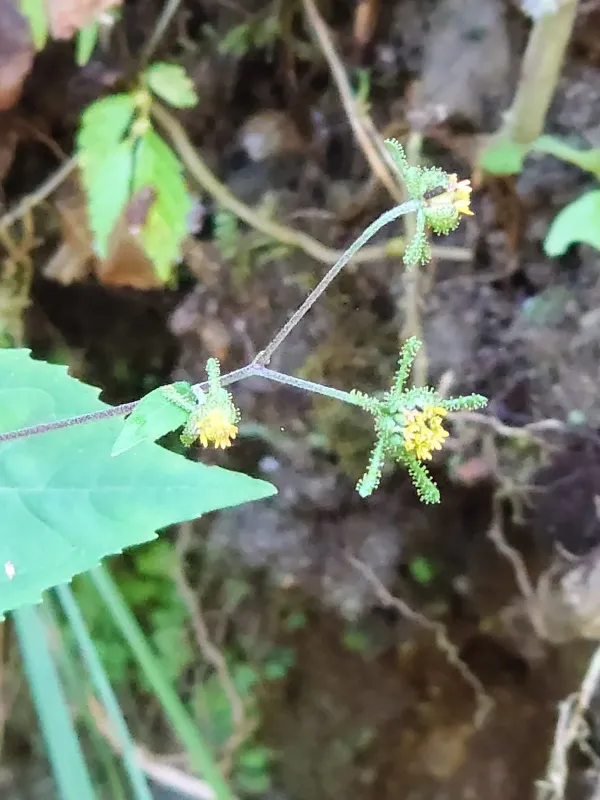
Description
Sowing dates
Sigesbeckia glabrescens is primarily propagated through seeds. Sowing should take place in spring once the soil temperature consistently reaches 12 to 15 degrees Celsius.
For better germination, seeds may require stratification or soaking. They should be planted at a depth of 1 to 2 centimeters to ensure they receive enough warmth and moisture to initiate growth.
In regions with shorter growing seasons, starting the plants in a greenhouse during March or April is recommended. This provides a head start, resulting in more robust plants before the summer heat.
When transplanting seedlings, a spacing of 40 by 40 centimeters is ideal. This configuration allows sufficient room for the plants to spread and ensures proper airflow between the rows.
As a member of the Asteraceae family, this annual herb completes its full lifecycle in 120 to 150 days. Precise scheduling is essential to align the flowering stage with peak environmental conditions.
Growing requirements
The plant thrives in sunny locations with full sun exposure. Sunlight is a crucial driver for the accumulation of phytochemicals, particularly darutoside, within the plant tissues.
Rich, well-draining loamy soils are optimal for Sigesbeckia. The soil should maintain a neutral to slightly acidic pH to facilitate the efficient uptake of essential soil nutrients.
Consistent moisture is required during the vegetative growth phase. However, the plant is sensitive to waterlogged conditions, which can lead to rapid root decay if drainage is poor.
Organic matter incorporation prior to planting helps maintain soil structure and fertility. Nitrogen-based fertilizers applied early in the growth stage encourage the development of strong leafy stalks.
Weed control is a fundamental part of the crop management strategy. Sigesbeckia is susceptible to competition during the early stages of growth, necessitating regular mechanical weeding in the alleys.
Yield
Yields of dry raw herb mass can reach 2 to 3 tons per hectare under intensive cultivation practices. Quality control is tied to the timing of the harvest relative to the flowering cycle.
To ensure high medicinal value, the harvest must occur at the onset of mass flowering. Harvesting too early or too late can lead to a significant decrease in the concentration of active compounds.
Seed production averages between 500 and 800 kilograms per hectare. Harvesting seeds efficiently requires monitoring the ripening of the inflorescences to avoid pre-harvest losses due to shattering.
Drip irrigation systems are highly beneficial for maintaining yield consistency throughout dry spells. This technology helps avoid growth pauses that might otherwise affect the final harvest quality.
Economic performance is optimized by achieving uniformity in plant development. Proper nutrition and water management are the primary levers for increasing the potency of the harvested crop.
Main diseases and pests
Powdery mildew is a common fungal threat to Sigesbeckia, especially in areas with poor ventilation and high humidity. Maintaining proper plant density is an effective preventive measure.
Root rot often develops in soils with poor drainage. Following a strict crop rotation cycle—avoiding planting in the same area for at least three years—is vital for disease management.
Aphids are the most frequent insect pests. They colonize the tender tips of the plant, potentially stunting growth. Biological control methods should be preferred to maintain the herb's quality.
Spider mites can become a nuisance during prolonged heat and drought conditions. Regular scouting of the underside of the leaves is necessary to detect and treat these pests at the onset of an outbreak.
Slugs and snails can cause mechanical damage to young seedlings in early spring. Installing physical barriers or using integrated pest management tactics is recommended to reduce seedling losses.
Harvesting
Harvesting for herbal use is carried out at the beginning of the full flowering phase. The stems are cut at 10 to 15 centimeters above ground, allowing for potential secondary growth.
Post-harvest logistics are critical. Freshly cut biomass must be transported quickly to the drying facility to prevent fermentation, which destroys the delicate medicinal properties of the plant.
Drying is performed in ventilated rooms or commercial dryers at temperatures not exceeding 40 to 45 degrees Celsius. This ensures the preservation of the chemical integrity of the harvested material.
After drying, the raw material must be sorted to remove any extraneous plant parts. It should be stored in containers that protect the contents from moisture and direct sunlight.
Seed harvesting involves cutting the inflorescences once they turn brown. These are left to finish drying on breathable mats, followed by cleaning and winnowing to remove chaff and impurities.