
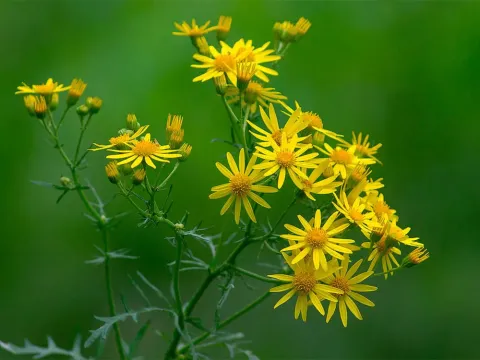
Senecio grandiflorus
Senecio grandiflorus
The sowing of Senecio grandiflorus is typically performed in a greenhouse environment to ensure a robust supply of seedlings before the main growing season begins. Seeds are usually planted in late winter or early spring, providing a head start for vegetative development.
What the section contains
Senecio grandiflorus
A light, well-draining soil mix is essential for seed germination, maintaining a stable moisture level without becoming waterlogged. Seeds should be surface-sown, as they often require light to initiate the germination process effectively.
Temperature control during the initial stage is vital, with a range of 18–20 degrees Celsius being ideal for consistent emergence. Once seedlings emerge, they should be placed in a bright location to prevent legginess and encourage sturdy stem formation.
Transplanting seedlings into individual containers allows for better root development, which is critical for long-term health. Hardening off the plants outdoors before final planting helps them adapt to ambient light and temperature fluctuations.
For direct seeding in warmer climates, wait until all risk of frost has passed. Soil preparation should include clearing debris and ensuring the ground is loose enough to accommodate early root development.
Senecio grandiflorus, belonging to the Asteraceae family, thrives in sunny locations with well-drained, nutrient-rich soil. It is adaptable, but prefers a neutral to slightly acidic pH, which optimizes nutrient availability and uptake.
Water management is a key agrotechnical factor, requiring a balance that avoids both prolonged drought and water stagnation. Regular irrigation during dry spells ensures vibrant blooms and healthy leaf production throughout the season.
Fertilization schedules should focus on balanced mineral inputs, particularly avoiding excessive nitrogen once the plant transitions into the flowering phase. Regular applications of phosphorus and potassium support structural integrity and flower size.
Adequate spacing between plants is necessary to promote air circulation, which is a major factor in preventing fungal outbreaks. Maintenance tasks include light hoeing to manage weeds and periodic soil aeration around the root zone.
While the plant shows some drought tolerance once established, consistent moisture leads to better yields in terms of biomass and floral display. Mulching can be used to retain soil humidity in harsher, warmer growing conditions.
Powdery mildew represents a primary threat in environments with poor air circulation or fluctuating humidity levels. Implementing preventative measures, such as proper spacing and fungicide application, is highly recommended.
Aphids and spider mites are common pests that can hinder growth by draining vital plant resources. Monitoring the foliage, particularly the undersides of leaves, is necessary for early detection and targeted intervention.
Root rot is often a consequence of poor drainage or overwatering, necessitating strict adherence to irrigation protocols. If root rot is suspected, improving soil drainage or adjusting the watering schedule is the first step in remediation.
Snails and slugs may cause significant damage to young shoots in the spring, making protective measures like barriers or safe baits an essential part of the plant management plan.
Crop rotation remains the most effective long-term strategy for minimizing soil-borne pathogens. Removing all plant remains at the end of the season prevents overwintering of pests and fungi, ensuring a cleaner start for the next crop cycle.