
Santolina neapolitana
Santolina neapolitana
Description
Growing requirements
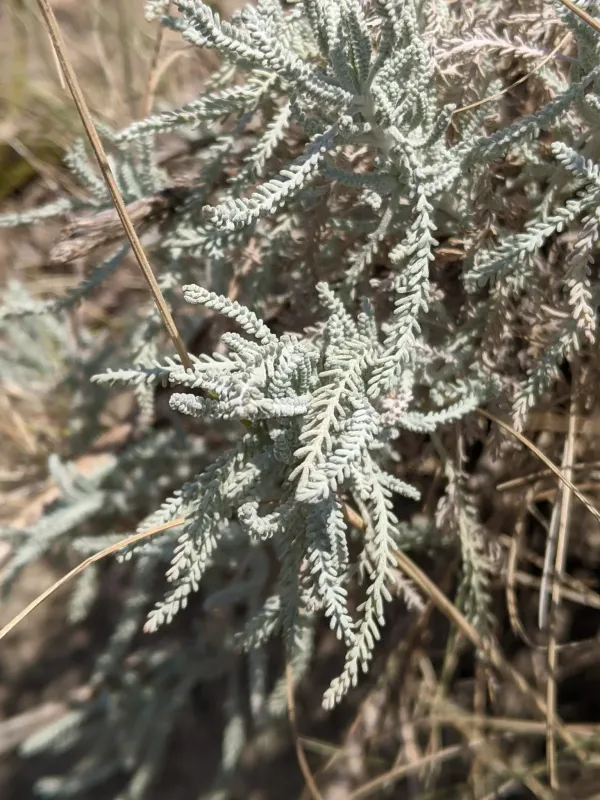
Santolina neapolitana is a perennial semi-shrub belonging to the Asteraceae family. It is highly valued for its silver-gray, finely divided foliage and vibrant yellow, button-like flowers that bloom during the summer months.
Originating from the Mediterranean region, this plant thrives in environments that mimic its natural habitat. It requires full sun exposure and warm conditions to maintain its dense, compact habit and characteristic leaf color.
Soil requirements focus primarily on drainage. The species demands gritty, sandy, or well-draining soil types. It is essential to avoid heavy, water-logged clays, as they quickly lead to root rot during the dormant season.
Cultivation practices involve regular pruning in early spring to prevent the plant from becoming woody and sparse. Pruning helps to maintain a dense shape and encourages healthy new vegetative growth for the upcoming season.
In terms of usage, Santolina neapolitana is a staple in xeriscaping and drought-tolerant garden designs. It is often planted as an edging plant along walkways or in rock gardens, providing a strong textural contrast to green-leaved plants.
Main diseases and pests
Root rot is the most common condition affecting the survival of this plant, particularly in regions with high winter rainfall. Ensuring excellent drainage and avoiding mulch contact with the stems is vital for plant longevity.
Pest issues are generally minimal for healthy, well-situated specimens. However, aphids can occasionally infest new growth during periods of stress, and spider mites may appear if the environment becomes excessively hot and dry.