
Creeping zinnia
Sanvitalia procumbens Lam.
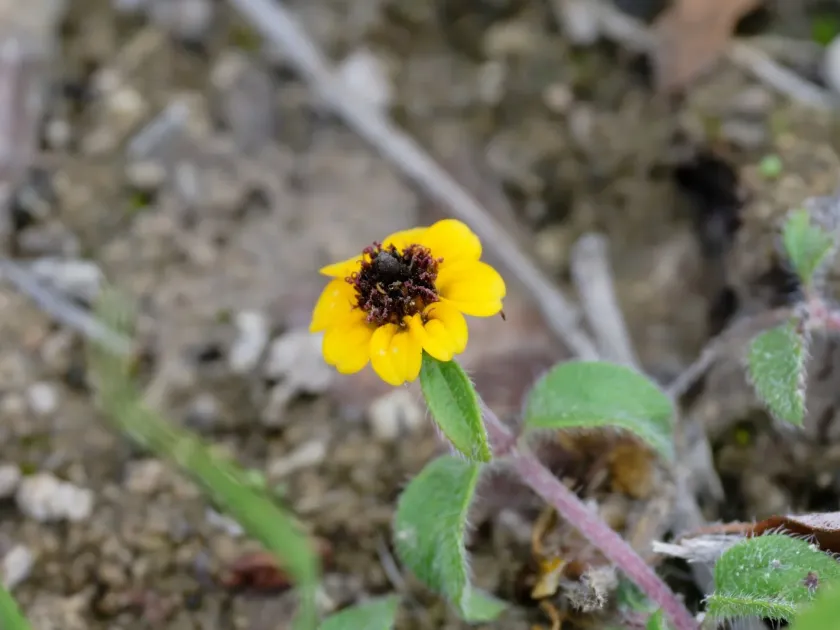
Description
Sowing dates
Creeping zinnia (Sanvitalia procumbens) is a member of the Asteraceae family. Seeds are typically sown indoors in late winter or early spring, about 6 to 8 weeks before the last expected frost.
The seeds require light to germinate, so they should be surface-sown and barely covered with a fine layer of vermiculite or growing medium. Keeping the substrate moist is essential during this stage.
Once the threat of frost has passed, the seedlings are transplanted into the garden. It is crucial to harden them off gradually to acclimate the plants to direct sunlight and outdoor temperatures.
Direct seeding in the field is possible in regions with long growing seasons. In such cases, seeds are sown directly into the prepared garden bed after the soil has thoroughly warmed up.
The optimal plant spacing is 15–20 centimeters apart. This ensures sufficient airflow, which is critical for reducing the risk of fungal diseases later in the season.
Growing requirements
Creeping zinnia thrives in full sun exposure. It is a highly heat-tolerant plant that performs best in open locations where sunlight can reach all parts of the foliage throughout the day.
The soil should be light, well-draining, and moderately fertile. The plant performs poorly in heavy, waterlogged clay soils, which can lead to root rot and stunted growth.
While the species is drought-tolerant once established, it responds well to regular watering during prolonged dry spells. Consistent moisture promotes a longer and more vibrant blooming period.
Neutral to slightly alkaline pH levels are ideal for this plant. If the soil is acidic, adding agricultural lime can help improve nutrient availability for optimal flower development.
Fertilization should be handled carefully. Using a balanced, slow-release fertilizer at the start of the season is usually sufficient, as high-nitrogen applications tend to encourage foliage over flowers.
Main diseases and pests
Fungal diseases are the primary threat, especially in humid conditions with poor drainage. Overwatering or lack of air circulation around the base of the plant often triggers root rot.
Powdery mildew is a common issue when nighttime humidity levels are high. It appears as a dusty white coating on leaves and can be managed with proper spacing and fungicidal sprays.
Slugs and snails can be particularly destructive to seedlings and young plants. Barriers such as copper tape or organic baits are often employed to protect the young growth.
Aphids may infest the flower buds during periods of high heat or water stress. Periodic inspection of the undersides of leaves and apical buds allows for early intervention with mild pesticides.
Care should be taken to remove spent flowers or diseased plant material promptly, as this reduces the inoculum potential and helps maintain the overall health of the garden bed.