
Rumfordia media
Rumfordia media
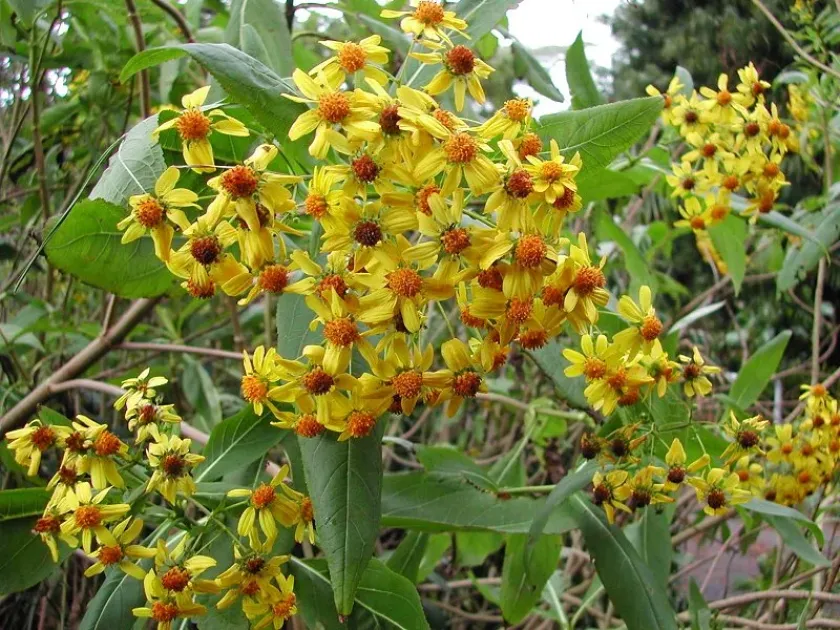
Description
Sowing dates
Rumfordia media is a heat-loving crop that requires stable temperatures to thrive, making it essential to avoid any risk of late spring frost during sowing.
For optimal results, seeds should be started indoors in late March or early April, allowing the seedlings to establish a strong root system before planting.
Direct sowing in open ground is only recommended once the soil temperature consistently reaches levels above 15°C to ensure uniform and rapid germination.
Seeds are placed at a shallow depth, usually not exceeding 2 centimeters, to allow for sufficient light access which is crucial for early developmental stages.
Spacing between plants should be carefully managed to ensure adequate ventilation, which is a key factor in preventing moisture-related problems in the field.
Growing requirements
This species belongs to the Asteraceae family and is native to the mountainous regions of Mexico, which dictates its preference for specific environmental conditions.
The plant thrives in full sun exposure, as sufficient solar energy is required for the development of healthy stems and vibrant floral displays.
Well-drained, fertile soil with good organic content is preferred, as Rumfordia media is highly sensitive to waterlogged conditions that can cause root rot.
While the plant has some drought tolerance, consistent moisture during the budding and flowering phases is essential for achieving the highest ornamental quality.
Protection from strong winds is highly recommended, as the plant structure can be vulnerable to damage in exposed, high-altitude or open-field locations.
Main diseases and pests
Fungal diseases, including powdery mildew, represent the primary threat to the health of Rumfordia media crops, especially in high-humidity environments.
Root system issues often arise from excessive irrigation, providing a breeding ground for various soil-borne pathogens that can devastate young plantings.
Aphids are a significant pest concern, frequently targeting the tender new growth and developing buds, which can severely stunt the plant's overall growth.
Spider mites may pose a risk during hot and dry periods, causing leaf discoloration and forcing the plant to drop its foliage prematurely.
Effective management requires a combination of cultural practices, such as proper spacing, and the judicious use of fungicides and insecticides when necessary.
Harvesting
The primary utility of Rumfordia media is within the commercial floral industry, where it is valued for its unique aesthetic properties and decorative use.
When grown for cut flowers, the stems are harvested in the morning hours when the flower heads are partially open to ensure long-lasting freshness in vases.
Professional handling during the harvest process is essential, including the use of clean tools to prevent the cross-contamination of plant pathogens.
Seed harvesting should be performed in dry weather conditions, ensuring that the seed heads are fully mature before being processed for future planting.
After the harvest and the conclusion of the growing cycle, all vegetative debris should be removed and disposed of to maintain field hygiene for the next season.