
Rugelia repens
Rugelia repens
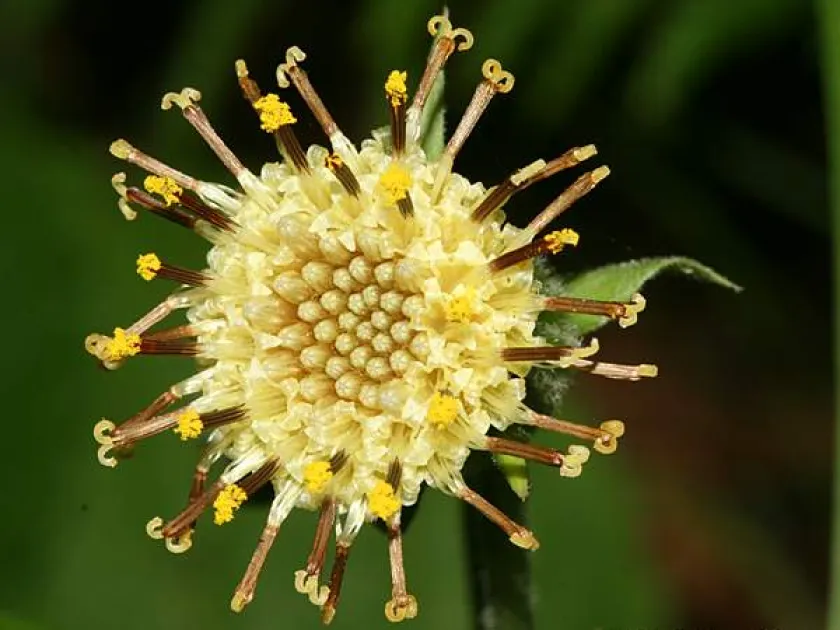
Description
Growing requirements
Rugelia repens is a perennial herbaceous plant belonging to the Asteraceae family. It is a low-growing ground cover species characterized by trailing stems that allow it to spread effectively across the soil surface.
The plant is native to high-altitude regions of North America, specifically the Southern Appalachians. Its natural habitat is typically found in moist, wooded areas, which defines its inherent requirement for a consistent moisture supply.
This species thrives in loose, organic-rich soils with a slightly acidic pH level. Maintaining a stable hydrological regime is critical, as the plant does not tolerate prolonged drought, although it requires adequate drainage to prevent root issues.
In terms of agricultural positioning, Rugelia repens prefers partial shade or dappled sunlight. Direct exposure to intense noon sun can result in leaf scorch and growth inhibition, making tree-shaded areas or protective zones ideal for cultivation.
Propagation is primarily vegetative, achieved through division of the rootstock or by rooting stem cuttings. An optimal temperature range for growth is between 15–22 degrees Celsius, consistent with temperate climates.
Main diseases and pests
The primary threats to Rugelia repens are fungal pathogens, which frequently develop in waterlogged soil conditions. Root rot is the most common concern, requiring well-drained soil preparation to maintain plant health.
Powdery mildew can affect the foliage during periods of high humidity and poor air circulation. Thinning out plantings is the most effective cultural method to prevent the spread of fungal spores among the ground cover.
Slugs and snails present a significant risk to the plant, particularly in the spring when succulent new growth emerges. Mechanical control or organic barrier methods are recommended to protect the crop from these pests.
Aphid infestations can occur on the underside of leaves, leading to stunted growth and leaf distortion. Periodic monitoring allows for the early detection and management of aphid colonies using environmentally friendly soaps.
Effective weed management is essential for the long-term viability of the crop. Perennial weeds can outcompete Rugelia for essential nutrients and moisture, making regular maintenance and weeding a necessary part of the agricultural process.