
Round-leaved oxeye
Leucanthemum rotundifolium
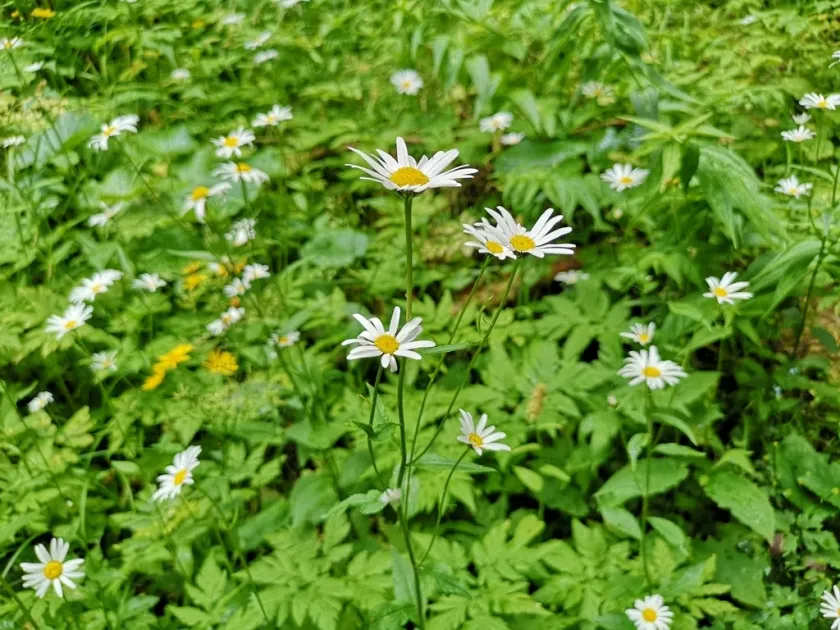
Description
Sowing dates
Leucanthemum rotundifolium, a member of the Asteraceae family, is a perennial herbaceous plant valued for its structural beauty and resilience in temperate climates.
Seeds can be sown directly into the soil during late autumn for natural winter stratification, which significantly improves the germination rates in the spring.
Alternatively, greenhouse sowing in early spring (March) is common. Seeds are light-sensitive and should be pressed gently into the surface of the growing medium without heavy covering.
Transplanting seedlings to their final location is best performed once the risk of severe frost has passed, typically in late May, ensuring adequate spacing of at least 30-40 cm.
Vegetative propagation via root division is a preferred method for maintaining genetic consistency and is best conducted during the dormant periods of early spring or autumn.
Growing requirements
The plant thrives in full sun exposure, although it exhibits a high degree of tolerance for partial shade in regions with extremely intense summer heat.
Soil requirements include well-drained, fertile loamy soils with a neutral pH. It is highly sensitive to waterlogging, which often leads to root rot if the soil texture is too heavy.
Regular irrigation is essential during the budding phase, although mature plants are moderately drought-tolerant compared to other daisy-like perennials.
Fertilization with a balanced NPK ratio during early spring promotes vegetative growth, while a phosphorus-rich supplement prior to flowering enhances bloom intensity.
The species is cold-hardy and well-adapted to mountainous regions, requiring minimal protection under normal winter conditions, provided the ground remains well-drained.
Main diseases and pests
Powdery mildew is a common challenge, especially in environments with high humidity and poor air circulation, which necessitates regular monitoring of the foliage.
Root and crown rot occur frequently in poorly drained soils. The primary control strategy is the improvement of site drainage and the avoidance of overhead irrigation during late hours.
Aphids and spider mites are the most persistent insect pests, capable of causing significant damage if infestations are not addressed during the early stages of development.
In cases of severe infestation, integrated pest management including biological controls or targeted application of insecticidal soaps is highly recommended for crop protection.
Sanitation of the planting site, including the removal of infected debris before winter, is crucial for preventing the overwintering of pathogens in the soil.
Harvesting
The primary utility of Leucanthemum rotundifolium lies in horticultural landscaping, meadow restoration, and as a component of commercial cut-flower production.
For cut-flower purposes, harvesting should be performed in the early morning; stems are cut when the flower heads are beginning to open to ensure maximum vase life.
Deadheading faded flowers is a vital cultural practice that prevents energy from being diverted into seed production and promotes a more prolonged flowering cycle.
Pre-winter care involves cutting back the foliage to the basal rosette, which helps the plant concentrate resources on root development and protects it from winter winds.
Given its perennial nature, the crop provides consistent aesthetic and ecological value for several years, provided the soil fertility is maintained through periodic amendments.