
Reichardia picroides
Reichardia picroides
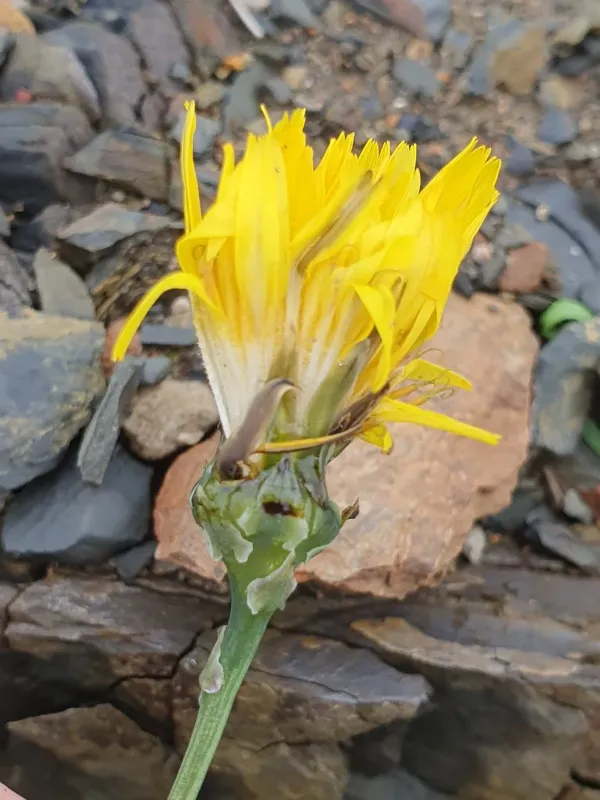
Description
Sowing dates
Reichardia picroides, a member of the Asteraceae family, is typically grown as an annual or biennial green leafy vegetable. In regions with mild climates, seeds are sown directly into the soil during the autumn months to allow for early spring harvest.
For spring cultivation, sowing starts in early March when soil temperatures reach 10-12 degrees Celsius. The seeds are very small and should be sown at a shallow depth of 0.5 to 1 centimeter to ensure successful germination and seedling emergence.
In greenhouse settings, continuous production is possible through staggered planting intervals of approximately three weeks. This practice ensures a constant supply of fresh leaves for the market throughout the year.
Optimal spacing for the crop involves maintaining 20 to 25 centimeters between rows. Thinning the seedlings once they reach the two-leaf stage is essential to allow sufficient space for the development of the basal rosette, which is the primary marketable part of the plant.
The soil preparation process includes creating a loose, well-draining seedbed enriched with organic matter. Incorporating compost before planting provides the necessary nutrients to support early vegetative growth and improves soil moisture retention.
Growing requirements
Native to the Mediterranean region, this plant is well-adapted to semi-arid conditions and mild winters. It requires full sun exposure to maintain high metabolic activity, as insufficient light often leads to stunted growth and poor flavor development in the foliage.
The plant thrives in loamy or sandy soils with a neutral to slightly alkaline pH. Its most notable characteristic is a high tolerance for soil salinity, making it an excellent candidate for agricultural production in coastal regions where other leafy greens might struggle.
Water management is critical; the crop requires regular but controlled irrigation to prevent waterlogging. Excessive moisture in the root zone increases the risk of root rot and other fungal infections, especially in poorly aerated or compacted soils.
Temperature management is key to preventing premature bolting. The plant grows best between 10 and 22 degrees Celsius. Temperatures exceeding this range trigger the development of flower stalks, which makes the leaves tough and bitter, significantly reducing their culinary value.
While relatively hardy, the plants may need protection during frost events. Providing row covers or utilizing tunnels during cold snaps helps maintain the quality and tenderness of the leaves, which is essential for premium market pricing.
Yield
The yield of Reichardia picroides is determined by the density of the planting and the precision of harvesting techniques. Under optimal conditions, growers can expect 1.5 to 2.5 kilograms of marketable greens per square meter per cutting.
Selective harvesting—taking only the outer, mature leaves while leaving the central bud—allows for repeated harvests from the same plant. This practice maximizes the total output per season and improves the economic efficiency of the crop.
Proper nitrogen management is essential for maximizing yield. A balanced supply of nutrients promotes lush vegetative growth and increases the thickness and succulence of the leaves, which are highly valued by consumers.
The yield potential also depends on the quality of the seed stock. Selecting high-vigor varieties that are bred for leaf production rather than flowering is essential for any commercial operation focused on green vegetable production.
Post-harvest handling significantly impacts the final yield delivered to the consumer. Rapid cooling to temperatures between 1 and 3 degrees Celsius immediately after cutting reduces respiration rates and prevents wilting, ensuring maximum shelf life.
Main diseases and pests
Reichardia picroides is generally resilient, but it can be susceptible to root diseases if the soil remains excessively wet. Ensuring good drainage and avoiding overcrowding are the primary cultural methods to mitigate these risks.
Pests such as aphids, slugs, and snails are common threats, particularly in moist environments. Aphids can cause leaf curling and serve as vectors for viruses, while mollusks can quickly destroy young, tender rosettes if left unchecked.
Powdery mildew may occur during periods of high humidity or poor airflow. Maintaining wide enough spacing between plants and keeping the foliage dry are effective preventative measures against fungal outbreaks.
Regular monitoring of the fields for early signs of leaf-chewing insects is recommended. Using biological pest control agents or integrated pest management strategies helps maintain the quality of the greens without relying on harsh chemicals.
Crop rotation remains the most effective strategy to break the life cycles of soil-borne pathogens. Growing Reichardia in a rotation that avoids other Asteraceae species for at least three years helps keep the soil health optimal for production.
Harvesting
Harvesting is performed once the plant has developed a full rosette of leaves but before any significant elongation of the flowering stem. Using a sharp knife, the leaves are cut at the base while carefully preserving the growing point for subsequent regrowths.
Early morning harvests are preferred because the leaves have the highest turgor pressure at this time. This ensures that the product appears fresh and crisp, qualities that are highly sought after by chefs and retail buyers.
The harvested product must be cleaned of debris and soil immediately to avoid quality degradation. Sorting for size and removing any damaged or yellowed leaves is standard practice to maintain a high-grade product for the market.
For storage, the greens should be packaged in perforated plastic bags to maintain high relative humidity while allowing for adequate gas exchange. This prevents the leaves from drying out while also discouraging the growth of spoilage microorganisms.
Seed harvesting is conducted when the seed heads turn brown and become dry. Once gathered, the seeds are threshed and stored in a cool, dark, and dry environment until the next planting season, ensuring high germination rates for future crops.