
Pluchea lanceolata
Pluchea lanceolata (DC.) Oliv. & Hiern
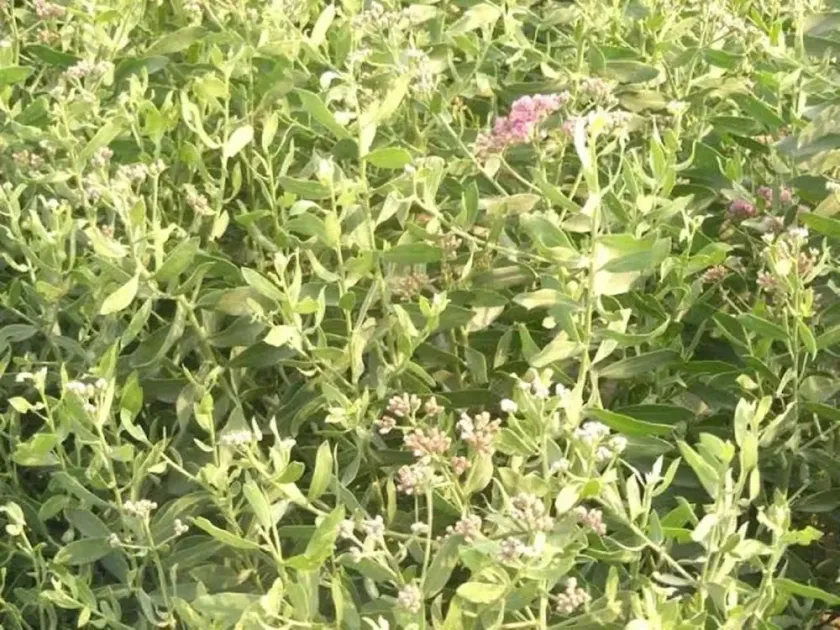
Description
Growing requirements
Pluchea lanceolata is a perennial herb belonging to the Asteraceae family. It is widely recognized in traditional medicine systems for its therapeutic properties and is primarily found in arid regions of South Asia.
The plant thrives in sandy or alluvial soils and exhibits remarkable tolerance to saline conditions, making it an interesting candidate for reclaiming degraded lands in desert or semi-arid climates.
Climatic requirements involve high solar radiation and a warm temperature range. It is essentially a drought-resistant plant, with physiological adaptations such as pubescent leaves that reduce transpiration rates significantly.
Regarding soil, it prefers neutral to slightly alkaline environments. Good drainage is essential, as the roots are susceptible to rotting when exposed to prolonged waterlogging during the monsoon season.
The agronomic management of this culture focuses on controlling its invasive nature, as it spreads rapidly through underground rhizomes, effectively covering empty spaces in agricultural fields.
Main diseases and pests
Fungal infections remain the primary threat to the crop, particularly when moisture levels in the canopy become too high due to inadequate spacing between the plants.
Common pests include mites and various caterpillars that feed on the soft, lanceolate leaves, which may reduce the overall yield of high-quality medicinal biomass.
Root rot caused by stagnant water is a critical issue that can decimate a crop in just a few days if proper field leveling and drainage are not maintained.
Effective management includes regular monitoring of the foliage for signs of chlorosis or spot damage, which are often the first indicators of pathogen activity.
Using organic amendments helps strengthen the plant's resistance, while avoiding excessive nitrogen fertilization reduces the risk of attracting sucking insects.