
Neurolaena lobata
Neurolaena lobata
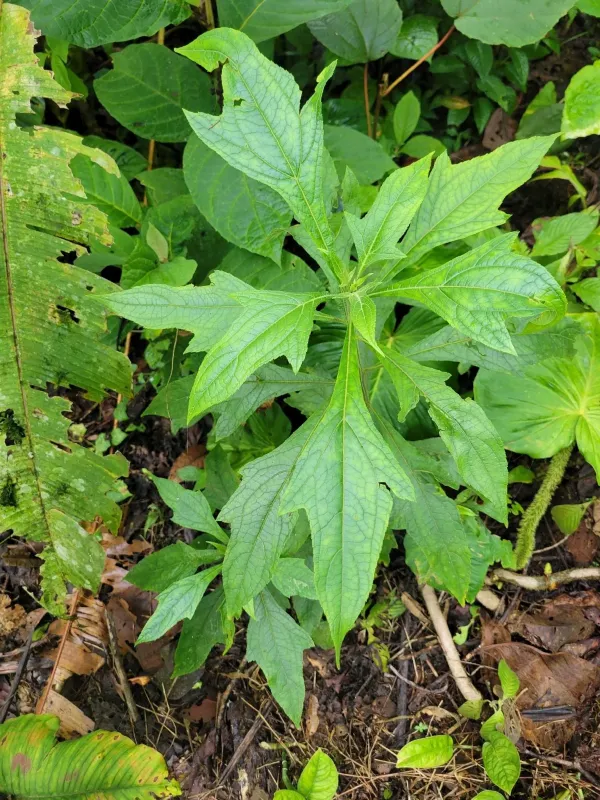
Description
Growing requirements
Neurolaena lobata is a perennial herbaceous plant or shrub belonging to the Asteraceae family. It is widely known in its native range for its lobed leaves and potential medicinal properties, often reaching a height of 2 to 3 meters in optimal conditions.
The plant is native to tropical regions of Central and South America, as well as the Caribbean. It thrives in humid tropical climates and requires high levels of solar radiation to produce the essential biomass necessary for commercial cultivation.
Regarding soil requirements, Neurolaena lobata prefers fertile, well-draining soils with a slightly acidic to neutral pH. It is highly intolerant of waterlogging, making proper field drainage an essential prerequisite for successful farming.
The plant demonstrates a strong response to consistent moisture levels. In agricultural settings, irrigation management is crucial during the active growth phase, as water stress can significantly reduce the concentration of secondary metabolites in the leaves.
Cultivation practices involve high-density planting with regular pruning to encourage bushy growth. This approach maximizes the leaf yield and ensures that the crop maintains a healthy structure throughout the growing season.
Main diseases and pests
Pest management is a critical aspect of Neurolaena production. Spider mites and aphids are the primary threats, particularly in arid climates or poorly ventilated greenhouse environments where these pests reproduce rapidly.
Fungal pathogens represent a significant risk during high-humidity periods. Leaf spots and mildews can rapidly degrade the quality of the harvested biomass, requiring preventive measures such as ensuring proper airflow and adequate spacing between plants.
Root system health can be compromised by soil-borne pathogens or nematodes if the field is not rotated regularly. Crop rotation with non-host species is highly recommended to maintain soil fertility and minimize the risk of infestation.
Early intervention is key to preventing crop loss. Regular monitoring of the foliage, especially the underside, allows farmers to identify early signs of insect activity and manage infestations before they spread across the entire plantation.
Given its medicinal use, the application of chemical pesticides is strictly regulated. Integrated pest management (IPM) strategies, including the use of biological controls, are preferred to ensure the final product meets international safety standards.
Harvesting
The harvest of Neurolaena lobata primarily involves collecting the leaves. The timing of the harvest is critical; it is performed just before the onset of flowering, as this stage coincides with the peak concentration of active compounds.
Manual harvesting is common to ensure high-quality produce, although mechanized systems can be employed in large-scale operations. The leaves are cut and carefully handled to avoid bruising or mechanical damage during the collection process.
Post-harvest handling focuses on rapid drying. The harvested material should be transported to a drying facility immediately to avoid heat-induced degradation, then dried in controlled conditions away from direct sunlight.
The final product is typically sold as dried leaf material or powdered extract. The industry values the product for its bioactive constituents, which are widely researched for their anti-inflammatory, antimicrobial, and parasiticidal effects.
Proper storage is the final step in the agricultural cycle. The dried product is stored in airtight, dark containers in a cool environment to maintain its potency and prevent the oxidation of essential volatile compounds until it reaches the final consumer.