
Minuria macrorhiza
Minuria macrorhiza
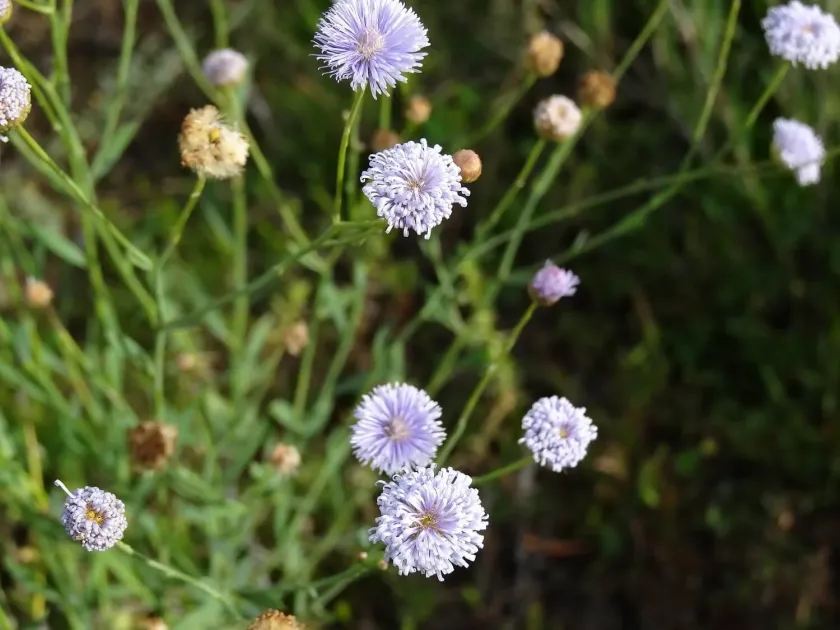
Description
Sowing dates
Minuria macrorhiza is a perennial herbaceous plant belonging to the Asteraceae family, well-adapted to the harsh conditions of its native Australian habitats.
Sowing should be scheduled to align with the onset of warm seasonal temperatures, which stimulate seed germination and the establishment of robust root systems.
Preparation of the seedbed requires deep tillage to ensure that the soil is aerated, facilitating the growth of the large, tuberous taproots that define this species.
Seeds are typically sown in rows to allow sufficient space between individual plants, which is crucial for managing the moisture resources in arid cultivation environments.
Initial irrigation is beneficial during the germination phase to ensure consistent moisture contact, although the mature plant is highly adapted to low-water conditions.
Growing requirements
The culture thrives in arid and semi-arid climates, displaying significant tolerance for high heat and prolonged intervals between rainfall events.
Well-drained soils, preferably with a sandy or light loamy texture, are essential to prevent root asphyxiation, as the plant is highly sensitive to waterlogging.
Minuria macrorhiza is considered a low-input crop, as it performs effectively in nutrient-poor soils without the need for intensive fertilization programs.
The plant's morphological adaptation, characterized by a fleshy, thick rootstock, allows it to survive extreme environmental stress by storing water and nutrients.
Full sun exposure is mandatory for optimal growth, as the species does not tolerate shade, which tends to reduce biomass accumulation and plant vigor.
Main diseases and pests
Fungal infections, particularly those affecting the root system, represent the most significant threat to plant health when soil drainage is insufficient.
Insect pests, including various species of grasshoppers, can cause defoliation during peak infestation years, necessitating active monitoring and control measures.
Weed competition during the seedling stage is a primary factor in crop failure, requiring manual or mechanical intervention in the early weeks of the growth cycle.
Preventative strategies such as appropriate crop rotation and the maintenance of soil structure are vital for minimizing the risk of soil-borne diseases.
Leaf rust may appear during unseasonably humid spells, requiring field inspections to determine if thinning is necessary to improve air circulation within the canopy.