
Microglossa pyrifolia
Microglossa pyrifolia
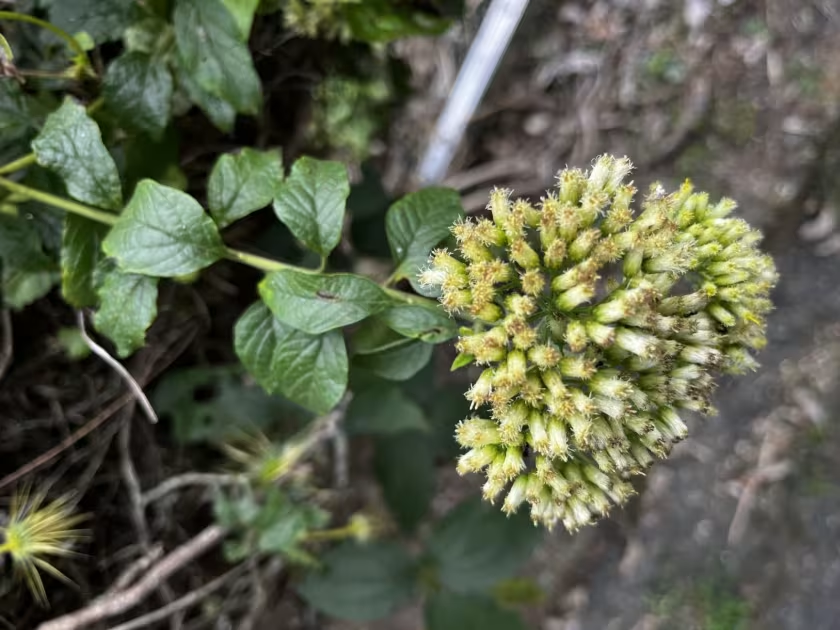
Description
Sowing dates
Microglossa pyrifolia, commonly known as a member of the Asteraceae family, is a versatile shrub found across tropical regions. It is highly valued for its ecological resilience and medicinal properties within its native range.
Sowing should be performed during the onset of the rainy season to ensure natural moisture levels. Seeds are sown into well-tilled, nutrient-rich soil at a shallow depth to encourage germination.
Optimal temperature for seedling emergence is between 22 and 28 degrees Celsius. The crop exhibits a rapid growth rate, often colonizing disturbed areas within a short time frame.
In a controlled farming environment, spacing is critical to maintain airflow and reduce micro-humidity, which helps prevent foliage diseases common in dense stands.
Regular maintenance during the establishment phase is essential. Removing competing vegetation ensures that the Microglossa seedlings receive adequate nutrients and light during their early developmental stages.
Growing requirements
This plant thrives in full sun but tolerates partial shade in high-temperature environments. It requires a stable climate with consistent rainfall to sustain its high biomass production.
Soil requirements focus on fertility and drainage. While the species is adaptable, it performs best in loamy soils enriched with organic matter, avoiding areas prone to waterlogging.
Agrotechnical practices involve periodic pruning to shape the canopy and stimulate the development of fresh lateral shoots. This process is crucial for maximizing the harvestable yield of leaves.
The plant is sensitive to frost and does not survive in freezing temperatures. In regions with cool winters, it must be grown in protected environments or treated as an annual.
Fertilization with nitrogen-based compost at the beginning of the growth cycle significantly enhances the foliage quality, which is the primary economic output of this crop.
Main diseases and pests
The most common threats include fungal leaf spot diseases which appear during prolonged periods of excessive humidity. Ensuring proper spacing is the primary cultural control method.
Pests such as aphids and spider mites may target young, succulent growth. Monitoring these populations early in the season is vital to prevent significant damage to the crop.
Root rot is a major risk in soils with poor permeability. Providing adequate drainage and avoiding standing water around the base of the plant is the best preventative measure.
Local weeds can outcompete the crop during the early establishment phase. Integrated weed management using manual removal is recommended over chemical herbicides to maintain the organic quality of the foliage.
Viruses transmitted by insect vectors can affect plant vigor. Maintaining a healthy ecosystem around the plantation helps keep predator populations high, naturally regulating pest numbers.
Harvesting
Harvesting of Microglossa pyrifolia involves the systematic cutting of leaves and young stems. The harvest is timed during the flowering phase when the secondary metabolites are most concentrated.
Post-harvest processing involves air-drying the biomass in shaded, ventilated conditions. Maintaining low light exposure during drying is essential to preserve the integrity of the plant's essential oils.
The plant is highly regenerative. If cut properly, leaving a portion of the stem, the plant will produce multiple flushes of new growth throughout the year.
Storage of the dried product must be in a cool, dry, and dark environment. Properly stored material can retain its efficacy for extended periods, serving both local and medicinal markets.
The final stage involves grading the harvested material by leaf size and color to ensure quality control standards are met for distribution or commercial sale.