
Melanoseris cyanea
Melanoseris cyanea
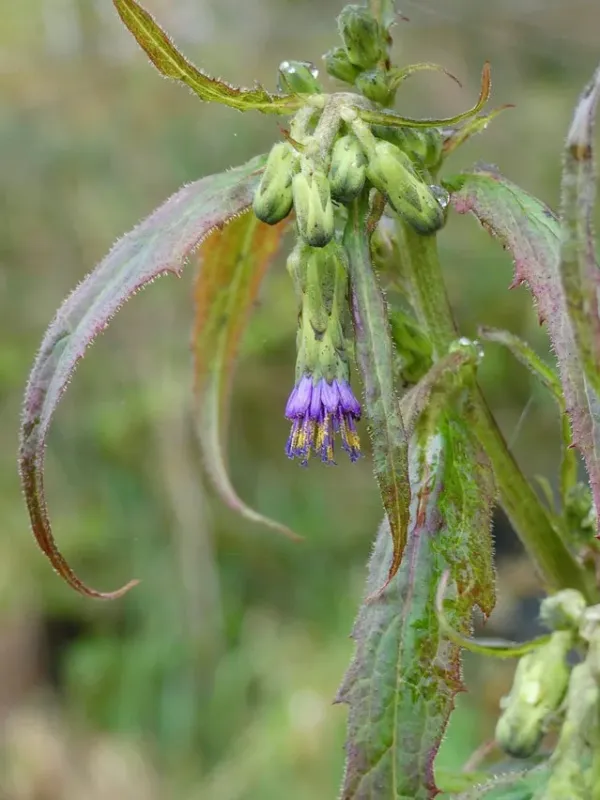
Description
Sowing dates
Melanoseris cyanea belongs to the Asteraceae family. It is a perennial herbaceous plant native to the high-altitude regions of Asia, where it thrives in alpine meadows and rocky terrain.
The seeds of this species generally require stratification to break dormancy. Sowing should be planned for late autumn or early spring to ensure the seeds experience the necessary temperature fluctuations.
When sowing, the seeds are placed on the surface or covered with a very thin layer of substrate. It is crucial to maintain moisture, as the small seeds are highly susceptible to drying out during germination.
For container-grown starts, sowing in late March is recommended. Using a well-draining, sterile peat-based mix helps prevent early seedling damping-off caused by soil-borne pathogens.
Transplanting should occur once the risk of severe frost has passed. Providing sufficient spacing between plants is essential to allow for proper airflow and root development in the juvenile stage.
Growing requirements
This crop prefers well-drained, fertile soil with a neutral to slightly acidic pH. Avoiding compacted soil is necessary, as the roots are sensitive to waterlogging and lack of oxygen.
As a light-loving species, Melanoseris cyanea requires exposure to direct sunlight for the majority of the day. In regions with intense heat, partial shade during the hottest afternoon hours may be beneficial.
Consistent watering is required throughout the growing season. While the plant can tolerate short periods of dry conditions once established, excessive drought will significantly stunt its growth.
Fertilization with a balanced, slow-release fertilizer at the start of the season supports vigorous vegetative growth. Avoid nitrogen-heavy fertilizers, which can produce succulent foliage prone to pests.
Winter protection is recommended in climates with hard frosts. Covering the base of the plant with mulch helps regulate soil temperature and protects the crown during the dormant winter months.
Yield
The primary use of Melanoseris cyanea is for decorative purposes and scientific research. Its unique blue flowers make it a distinctive addition to botanical collections and specialized landscaping projects.
Harvesting the plant for its potential pharmacological components is a specialized process. Biomass should be collected during the peak flowering stage when the concentration of secondary metabolites is highest.
Seed harvesting requires careful timing. The flower heads are harvested once they begin to dry on the stem, and the seeds are then extracted and cleaned to ensure long-term viability for storage.
Yield stability is heavily dependent on microclimatic conditions. Growers often achieve higher productivity by providing a controlled environment that mimics the plant's native highland habitat.
Proper management of plant density is key to maximizing productivity. Overcrowding can lead to resource competition, which negatively impacts the overall quality and chemical profile of the crop.
Main diseases and pests
Aphids are the most common pest observed on Melanoseris cyanea. These insects feed on the sap of young stems, causing leaf curling and potentially spreading viral infections throughout the crop.
Mollusks such as slugs and snails pose a serious threat to seedlings. Implementing physical barriers or using organic baits is often necessary to prevent severe defoliation of the young plants.
Fungal diseases, particularly powdery mildew, can occur if the humidity levels remain too high. Ensuring adequate ventilation and avoiding overhead irrigation are primary preventive measures.
Root rot, caused by various species of fungi, is typically linked to overwatering or poor soil drainage. If the soil remains saturated for extended periods, the root system will quickly deteriorate.
Integrated pest management, including regular field inspections and the use of natural predators, is the most effective way to manage these threats while maintaining environmental sustainability.