
Kleinia fulgens
Kleinia fulgens Hook. f.
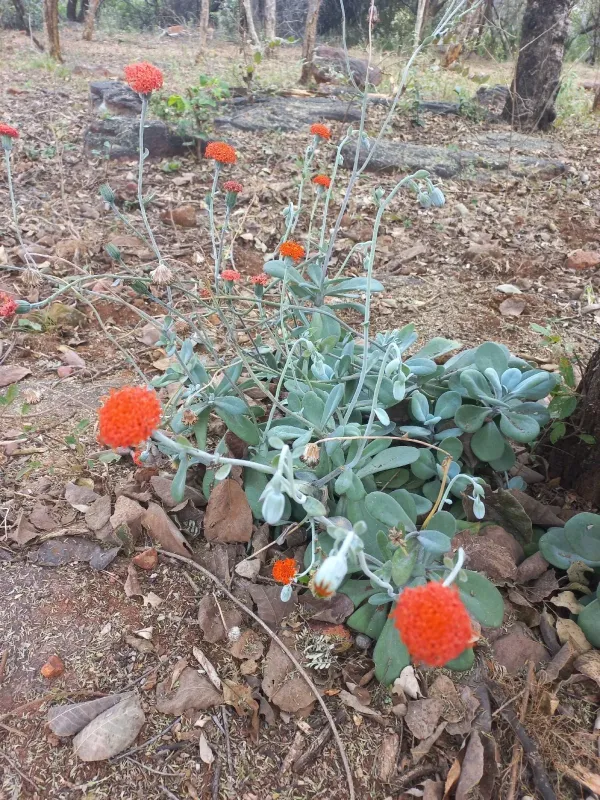
Description
Growing requirements
Kleinia fulgens, formerly classified as Senecio fulgens, is a succulent plant belonging to the Asteraceae family. Native to the arid regions of Southern Africa, this species is highly valued in horticulture for its striking glaucous foliage and brilliant orange-red flower heads.
As a light-loving species, it requires bright, indirect sunlight to maintain its compact growth habit. In greenhouse environments or domestic cultivation, maintaining temperatures between 20°C and 25°C during the growing season is essential for optimal physiological development.
The substrate must prioritize drainage. A professional-grade succulent mix, consisting of mineral components such as grit, pumice, or coarse sand, is recommended to prevent moisture retention around the root system. Proper aeration is as critical as soil composition for long-term health.
Watering practices should mimic its natural desert habitat. During the active growing period, the substrate should be allowed to dry out completely between waterings. In winter, the plant enters a dormant phase, during which irrigation must be significantly reduced to prevent rot.
Propagation is primarily achieved through stem cuttings. To ensure successful rooting, cuttings must be left to callus for several days before being placed in a slightly damp, well-draining rooting medium.
Main diseases and pests
The primary threat to Kleinia fulgens is fungal rot caused by overwatering. Excess moisture in the soil, particularly in cool or low-light conditions, leads to the rapid decay of the stem base and root system, often resulting in complete plant collapse.
Pests such as mealybugs and spider mites are common adversaries in greenhouse cultivation. Mealybugs tend to accumulate in the tight crevices of the leaves, while spider mites thrive in dry air, causing stippling and loss of plant vigor.
Integrated pest management is recommended, starting with careful visual inspection and the physical removal of pests. In severe cases, targeted use of insecticidal soap or systemic agents may be necessary to protect the plant.
Good ventilation is a vital preventive measure against both fungal spores and sedentary pests. A steady flow of fresh air helps maintain the surface of the succulent leaves dry and reduces the chances of pathogen proliferation.
Maintaining high hygiene standards by cleaning the growing area and using sterilized tools for pruning significantly reduces the risk of pest and disease outbreaks within a succulent collection.