
Kleinia cephalophora
Kleinia cephalophora Compton
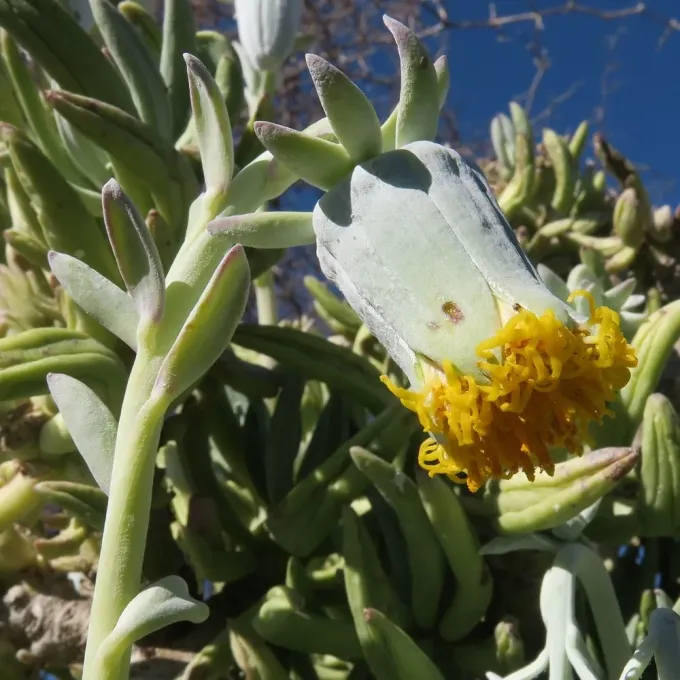
Description
Sowing dates
Propagating Kleinia cephalophora is primarily achieved through stem cuttings, which allow for the maintenance of the plant's distinct structural characteristics. The ideal time for this is late spring, when the plant enters its active growth phase, ensuring faster root development.
Once cuttings are taken, they must be left to dry in a cool, shaded area for several days. This process encourages the formation of a callus over the cut surface, which is critical to preventing soil-borne pathogens from entering the plant.
For planting, a well-draining mineral-rich substrate is essential. Pure peat-based soils should be avoided in favor of mixtures containing sand, perlite, and volcanic grit, which prevent the retention of excessive moisture.
When sowing seeds, it is necessary to provide a stable, warm environment with temperatures exceeding 22 degrees Celsius. Surface sowing is recommended, followed by covering the container to maintain a moderate level of humidity until germination occurs.
Young plants should be carefully transitioned to a drier environment as they mature. Adequate spacing between pots is necessary to ensure good air circulation, which helps prevent etiolation and keeps the growth compact and healthy.
Growing requirements
Kleinia cephalophora, a member of the Asteraceae family originating from South Africa, requires significant light intensity to maintain its characteristic appearance. It thrives in bright, indirect light, although it can tolerate some direct morning sun during the cooler parts of the day.
The soil requirements are specific: the medium must have excellent porosity and a pH level ranging from neutral to slightly alkaline. Using a specialized succulent or cactus mix is the most reliable method for home or greenhouse cultivation.
Climate control is vital; the plant requires a distinct summer growing season with warm temperatures and a winter dormancy period. During dormancy, temperatures should be dropped to roughly 12–15 degrees Celsius with minimal watering to simulate the natural desert environment.
Watering must follow a strict "soak and dry" cycle. During the growing season, water thoroughly only when the substrate has completely dried out, and ensure that no water remains in the plant's crown to prevent decay.
Good ventilation is as important as light. Stagnant, humid air creates the perfect conditions for fungal development, which is the primary enemy of this succulent species. Proper airflow strengthens the tissues and increases resistance to stress.
Main diseases and pests
Mealybugs are the most frequent pests affecting Kleinia cephalophora, often hiding in the crevices of the stems. Early detection is key; manual removal using alcohol-soaked swabs or systemic insecticidal applications can keep infestations under control.
Root rot, driven by overwatering or compacted soil, is the most common cause of plant loss. If the base of the stem feels soft or mushy, the plant may require emergency repotting into fresh, dry soil after pruning away the necrotic tissue.
Spider mites may appear during periods of extremely low humidity, characterized by fine webbing and small spots on the stems. Increasing airflow or using gentle soap solutions can mitigate this issue effectively without harsh chemicals.
Fungal infections, including various types of mildew, can arise if the plant is kept in conditions that are both cold and damp. Proper greenhouse management, including temperature regulation and avoiding overhead watering, is the best preventative strategy.
Regular monitoring of the root zone and stem health is the foundation of effective plant care. By maintaining a clean environment and strictly adhering to seasonal water limitations, growers can easily avoid the majority of common threats to this species.