
Hymenopappus scabiosaeus
Hymenopappus scabiosaeus
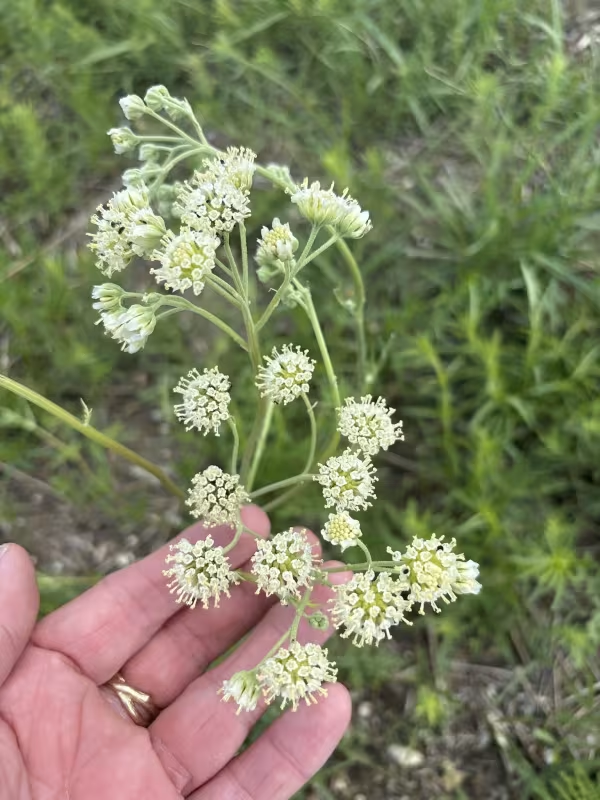
Description
Sowing dates
Sowing Hymenopappus scabiosaeus is most effectively done in the autumn, allowing the seeds to undergo natural stratification throughout the winter. This process is essential for breaking seed dormancy and ensuring synchronized germination during the following spring.
For spring sowing, seeds must be artificially stratified in a cool environment, typically at temperatures around 4 degrees Celsius, for a period of at least six to eight weeks. Failure to provide this cold treatment often results in poor or erratic germination rates.
The seeds should be sown on the surface of the soil and barely covered, as light is a critical trigger for the germination of this species. Using a fine, sandy substrate promotes the best contact between the seeds and the soil.
Maintain consistent but light moisture during the germination phase, ensuring the substrate does not dry out completely. Once seedlings have developed two sets of true leaves, they become more resilient and can handle periods of drying.
Proper spacing between plants, generally between 30 to 45 centimeters, is necessary to prevent overcrowding. Adequate airflow is vital during the early growth stages to minimize the risk of dampening-off diseases.
Growing requirements
Hymenopappus scabiosaeus, commonly known as the old plainsman, is a member of the Asteraceae family. It is a biennial or short-lived perennial herb that has evolved to thrive in dry, sandy, or rocky habitats native to North America.
The plant strictly requires well-drained soil; it cannot tolerate standing water or heavy clay that retains moisture. A gritty, nutrient-poor soil profile is ideal, as the plant is adapted to survive in harsh conditions where competition for resources is low.
Full sun exposure is a non-negotiable requirement for this species. It performs best in open locations with at least 6 to 8 hours of direct sunlight, which helps produce strong, erect flower stalks and healthy foliage.
The plant is highly drought-tolerant once established due to its extensive taproot system. Supplemental irrigation is generally unnecessary unless an extreme, prolonged drought occurs, which might otherwise cause early senescence.
Avoid excessive fertilization, particularly nitrogen-heavy fertilizers, which can result in leggy, weak plants that are prone to lodging. A lean soil environment naturally encourages the compact, characteristic growth habit of this plant.
Main diseases and pests
The most significant threat to the health of Hymenopappus scabiosaeus is root rot caused by poor soil drainage. When the soil remains waterlogged for extended periods, the roots are highly susceptible to various fungal pathogens.
Aphids can occasionally infest the flower stalks during periods of rapid growth or drought stress. Monitoring for these pests is recommended, especially as they can transmit viral diseases that weaken the plant over time.
Powdery mildew may develop if the plants are placed in areas with poor ventilation or if high humidity persists for long durations. Improving airflow by thinning out neighboring vegetation is the best cultural preventative measure.
Larvae of various lepidopteran species may occasionally feed on the developing buds or foliage. While the plant can often withstand light feeding, severe infestations should be managed with targeted biological controls.
Maintaining a clean growing environment and ensuring the soil remains light and airy significantly reduces the risk of most common threats. Integrated pest management strategies are preferred over the frequent application of broad-spectrum pesticides.