
Dyssodia montana
Dyssodia montana
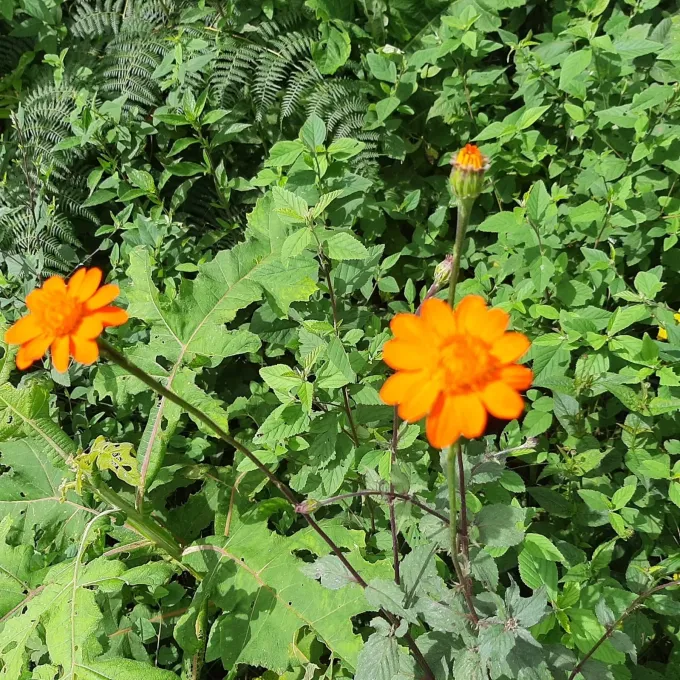
Description
Sowing dates
Propagation is typically achieved through seeds sown in early spring. The seeds are very small and require light for germination, so they should be surface-sown on a light, sterile potting mix.
Consistent temperatures around 20 degrees Celsius are ideal for germination. Under optimal conditions, seedlings usually emerge within two to three weeks of sowing.
Starting plants in a greenhouse or indoors is recommended to ensure robust growth before transplanting. Once the frost risk has passed, the young plants can be hardened off and moved to their final outdoor location.
When planting, spacing should be maintained to allow for good airflow, preventing humidity buildup near the base of the stems, which is crucial for healthy root development.
Regular but light maintenance during the establishment phase is needed to ensure the plants take root effectively before they become fully drought-tolerant in their later growth stages.
Growing requirements
Dyssodia montana, commonly known as mountain dyssodia, belongs to the Asteraceae family. This perennial herb is native to the rugged terrains of North America, where it thrives in extreme environmental conditions.
The plant requires well-drained, sandy, or rocky soil to survive. Its root system is highly sensitive to waterlogging, making proper drainage the most critical factor for its cultivation in home gardens.
As a full-sun species, mountain dyssodia needs at least six to eight hours of direct sunlight daily. It exhibits excellent heat tolerance, making it an ideal candidate for xeriscaping and dry, south-facing garden beds.
Climate requirements for this species include relatively low humidity and tolerance for significant diurnal temperature variations. It is perfectly adapted to semi-arid environments where it stays compact and blooms profusely.
In landscaping, Dyssodia montana is prized for its aesthetic appeal in rock gardens and containers. Its low-growing habit and vibrant blooms make it a popular choice for rockery edging.
Main diseases and pests
The primary threat to Dyssodia montana is fungal infection caused by poorly drained soil or excessive irrigation. Root rot can quickly destroy the plant if the soil remains moist for too long.
Pests such as spider mites may occasionally infest the foliage, particularly during prolonged dry spells or in areas with poor ventilation. Regular monitoring is essential to catch early signs of damage.
Preventive measures include choosing a planting site with excellent natural drainage and avoiding the use of heavy mulches that retain too much moisture around the crown of the plant.
If chemical intervention is necessary, systemic fungicides or acaricides may be used, although keeping the environment dry and sunny is usually sufficient for natural disease management.
Proper sanitation, including the removal of dead or rotting plant tissue, helps minimize the risk of pathogen spread within the garden area.