
Doronicum orientale
Doronicum orientale Hoffm.
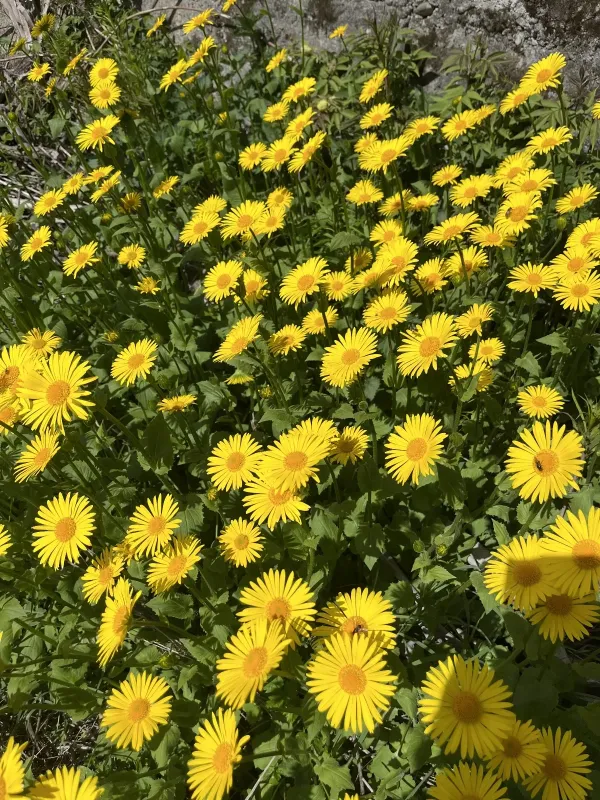
Description
Sowing dates
Doronicum orientale is typically propagated through division or by sowing seeds. For seed sowing, a stratification period is essential to break dormancy and ensure uniform germination in the spring.
When starting from seeds indoors, sowing should occur in early spring using a lightweight, peat-based mix. Keep the trays covered to maintain humidity until the emergence of seedlings.
Transplanting seedlings to the garden should be delayed until the risk of frost has passed. Plants prefer a spacing of approximately 30 to 40 centimeters to ensure adequate airflow between mature clumps.
Vegetative division is the most common method for propagation. This is best performed in mid-summer, immediately after the plant enters dormancy following its flowering phase.
When dividing, ensure that each section has a healthy portion of the rhizome and several active buds to facilitate rapid establishment in the new location.
Growing requirements
Doronicum orientale belongs to the Asteraceae family and is highly valued for its early spring blooms. It thrives in partial shade, mimicking its natural woodland habitat.
The plant requires rich, moist, and well-draining soil. While it can adapt to various conditions, it performs best in soils with high organic matter content and a neutral pH balance.
Regular watering is critical during the vegetative growth phase. If the soil dries out completely, the plant will quickly wilt and may lose its ornamental value for the remainder of the season.
Fertilization with balanced nutrients in early spring promotes vigorous growth and larger flowers. Avoid excessive nitrogen, which can lead to foliage growth at the expense of floral development.
The plant is hardy and well-adapted to temperate climates. It requires little maintenance once established, provided it is protected from extreme drought and waterlogging during the dormant season.
Main diseases and pests
Powdery mildew is the most prevalent disease, especially in areas with high humidity. Proper plant spacing is the best preventative measure against this fungal pathogen.
Root rot occurs if the soil remains waterlogged for extended periods. Improving soil drainage through the addition of grit or organic compost is highly recommended for clay soils.
Aphids are frequent visitors that can damage young shoots and buds. Monitoring the plants in early spring allows for early intervention using biological or chemical controls.
Slugs and snails can cause significant cosmetic damage to the leaves. Keeping the area free of weeds and debris helps in reducing the population of these pests.
Nematode infestations can weaken the root system significantly. If stunted growth is observed, testing the soil and discarding infested plants is necessary to prevent further spread.
Harvesting
The primary use of Doronicum orientale is in the floral industry for early-season cut flowers. Flowers should be harvested just as the buds begin to open for maximum longevity.
Seed collection is possible if the flower heads are left intact until they turn brown. Since the seeds are lightweight and wind-dispersed, monitoring the maturation process is essential.
Deadheading spent flower stalks is a recommended cultural practice to divert energy back into the rhizome. This practice significantly enhances the plant's health for the following season.
The stems should be cut at the base after the first frost, which helps in the overall garden cleanup and prevents the overwintering of pests in the foliage.
When working with large patches of Doronicum, use sharp, sanitized tools to prevent the accidental transmission of soil-borne pathogens from plant to plant.