
Doronicum columnae
Doronicum columnae
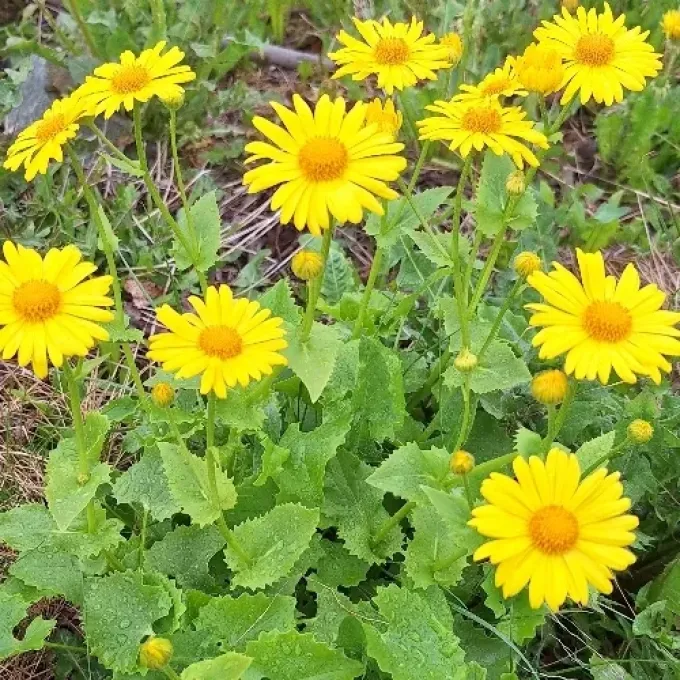
Description
Sowing dates
Sowing of Doronicum columnae is generally performed in early spring as soon as the soil is workable. Seeds require a cool period to break dormancy, making autumn or late winter sowing in seed trays highly effective for uniform germination.
When starting in containers, seeds should be sown on the surface of a light, moist substrate and covered with a fine layer of vermiculite. A temperature range of 15–20°C is typically sufficient to stimulate the growth of seedlings within a few weeks.
Transplanting to the permanent location should be carried out after the danger of frost has passed. Spacing is crucial for the health of the plants, typically requiring 30 to 40 cm between individuals to ensure sufficient ventilation.
Division of the rootstock is the preferred method for propagating mature plants. This task is best completed immediately after the flowering phase, usually in late June or early July, when the plant enters a period of slower growth.
Each division must include healthy roots and at least one or two vegetative buds. After planting the divisions, they should be watered thoroughly and kept out of direct sun for several days to facilitate faster recovery and establishment.
Growing requirements
Doronicum columnae, a member of the Asteraceae family, is a perennial herb native to mountain regions. It is highly valued for its adaptability to cooler climates and its ability to provide early seasonal color in garden landscapes.
The plant thrives in partial shade, mimicking its natural habitat on the edges of forests or alpine meadows. While it can tolerate sunlight, consistent moisture is required to prevent the leaves from wilting under heat stress.
Soil requirements include well-draining, nutrient-rich earth with a neutral to slightly acidic pH. The addition of organic matter such as compost or aged manure is recommended to maintain structure and nutrient availability throughout the season.
Irrigation must be managed to maintain soil moisture without causing waterlogging, which the plant does not tolerate. Consistent watering is particularly vital during the flower bud formation phase to ensure maximum bloom count.
Mulching is an essential agronomic practice for this crop, as it keeps the soil cool and suppresses invasive weeds. Using straw or organic mulch also helps to stabilize moisture levels, reducing the frequency of required manual irrigation.
Main diseases and pests
Fungal diseases, notably powdery mildew, are the most frequent threats to this crop. These pathogens tend to flourish in environments with poor air circulation or excessive humidity, making proper plant spacing a critical preventative measure.
Gray mold (Botrytis) may also develop during prolonged periods of rain or cool, damp weather. Sanitation, including the removal of decaying foliage and dead flowers, is necessary to minimize the risk of spreading fungal infections across the crop.
Pests such as aphids and froghoppers are significant concerns for plant vigor. These sap-sucking insects damage the tender young growth and can also serve as vectors for viral diseases that further weaken the host plants.
Slugs and snails often feed on the leaves, leaving behind characteristic irregular holes. Integrated pest management, including manual removal or the use of organic barriers, is recommended to protect young growth from significant damage.
For chemical intervention, applying appropriate systemic insecticides should be a last resort. Careful monitoring is encouraged to identify infestations early, allowing for spot treatments that minimize chemical impact on the surrounding environment.