
Cyathocline lyrata
Cyathocline lyrata
Description
Growing requirements
Cyathocline lyrata is a distinctive annual herbaceous plant belonging to the Asteraceae family. Native to South and Southeast Asia, this species naturally thrives in wet, marshy habitats, often found near riverbanks and flooded fields where moisture is abundant throughout the growth cycle.
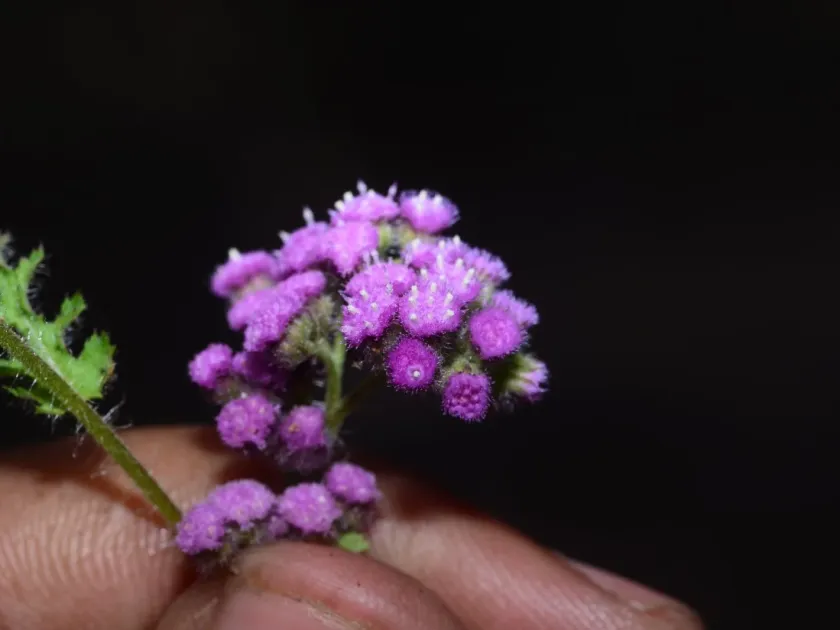
The plant is botanically characterized by its lyrate-shaped leaves and glandular hairs on its stems, which release a specific aroma when handled. Its flowers are typically arranged in small, dense heads, showcasing the typical morphology of the Asteraceae family.
Optimal cultivation of Cyathocline lyrata requires high levels of soil moisture and exposure to full sun. The plant performs best in nutrient-rich, well-drained soils that retain moisture without becoming stagnant, which is critical for supporting its rapid biomass accumulation during the season.
Regarding climate, this species is strictly adapted to tropical and subtropical conditions. It requires consistent warmth to maintain its physiological functions and is highly susceptible to chilling injury, making it unsuitable for cultivation in temperate climates with frost risks.
The plant is primarily valued for its potential medicinal properties. Its leaves and stems are often used in traditional herbal medicine formulations, known for their anti-inflammatory and antiseptic qualities, making the plant a candidate for specific small-scale medicinal crop production.
Main diseases and pests
Cultivating Cyathocline lyrata poses specific phytosanitary challenges, primarily related to its affinity for high-moisture environments. Root rot and fungal infections of the lower stem are common if the soil drainage is inadequate or if irrigation cycles are poorly managed.
Powdery mildew represents another significant threat, particularly in regions where night temperatures drop while humidity remains high. Proper spacing between plants is essential to promote airflow and prevent the buildup of moisture on leaf surfaces.
Insects such as aphids and leaf miners are frequent pests that target the soft tissues of the plant. Their activity can severely stunt growth and reduce the quality of the harvested biomass, necessitating regular field inspections.
Integrated Pest Management (IPM) is strongly recommended for this crop. Utilizing biological controls, such as introducing predatory insects or applying microbial-based pesticides, effectively minimizes environmental impact while protecting the efficacy of the botanical product.
Maintaining a healthy crop also requires rigorous sanitation practices, including the prompt removal and destruction of any infected plant material to prevent the spread of diseases. A proactive approach to soil health and fertility significantly enhances the plant's natural resistance.