
Coleostephus multicaulis
Coleostephus multicaulis (Desf.) Durieu
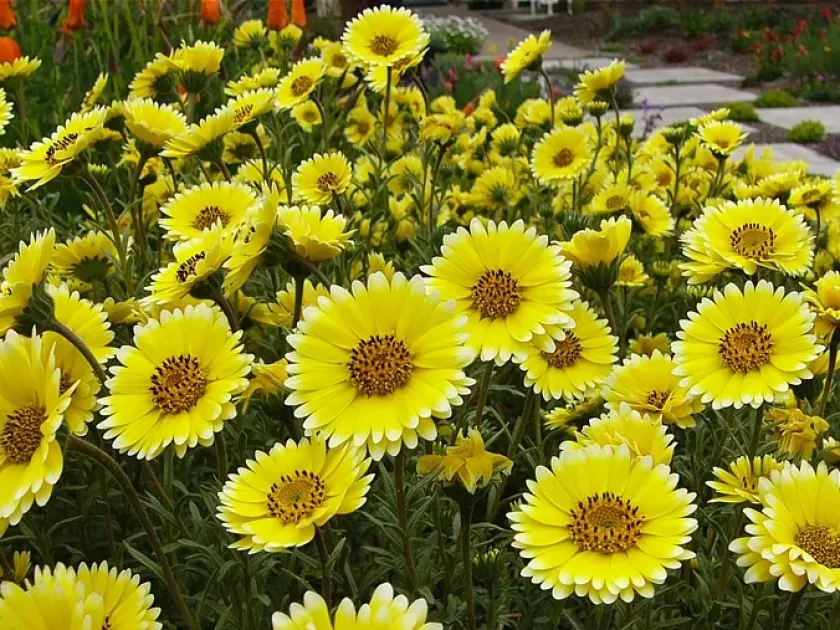
Description
Sowing dates
Coleostephus multicaulis is an annual herb that thrives when sown directly into the soil during early spring. For optimal growth, soil temperatures should be consistently above the frost threshold, ensuring the seeds germinate quickly and establish a strong root system before the onset of summer heat.
For gardeners looking for an earlier bloom, starting seeds indoors is a highly effective method. Sowing in seed trays 6 to 8 weeks before the last frost allows the plants to develop into robust seedlings. Using a light, sterile seed-starting mix prevents damping-off diseases and promotes healthy development.
The seeds are relatively small and require minimal covering with soil. A depth of about 0.5 centimeters is generally sufficient to keep the seeds in place while allowing them enough light to trigger the germination process. Keeping the substrate moist during this stage is essential for successful seedling emergence.
Once seedlings have developed their first true leaves, they should be provided with ample light to prevent leggy growth. If sown indoors, moving the plants to a cooler location with high light intensity helps harden them off, making the transition to the outdoor environment much smoother for the young plants.
When transplanting into the garden, spacing is critical for ensuring good airflow. Plants should be placed 20 to 25 centimeters apart to allow for mature expansion. Proper spacing reduces competition for nutrients and water, which ultimately leads to a more uniform and vigorous display of flowers during the season.
Growing requirements
As a member of the Asteraceae family, Coleostephus multicaulis prefers sunny, open environments that mimic its natural Mediterranean habitat. It requires at least six to eight hours of direct sunlight per day to maintain its compact form and produce a high volume of flowers throughout its life cycle.
Soil quality is a major factor in the success of this crop. While it is tolerant of various soil types, it performs best in well-draining, sandy or loamy soils. Avoiding heavy, waterlogged clay is essential, as the roots are highly susceptible to rot if they remain in saturated conditions for too long.
Watering should be managed carefully, balancing the plant's need for moisture with the necessity of dry periods to prevent fungal issues. During the peak of summer, consistent watering helps the plant maintain its floral display, but it is important to water at the base to keep foliage dry and healthy.
Nutrient requirements are modest compared to more demanding crops. A balanced, slow-release fertilizer applied during the early vegetative stage is usually sufficient to support growth. Excessive nitrogen should be avoided, as it can encourage lush foliage at the expense of floral development.
To promote a bushy habit and extend the blooming period, regular deadheading is recommended. Removing spent flower heads prevents the plant from diverting energy into seed production, encouraging it to produce new buds continuously until the end of the season when cooler temperatures trigger senescence.
Main diseases and pests
The most common disease risks associated with this plant include powdery mildew, particularly when humidity levels are high and air circulation is poor. Proper spacing and avoiding overhead irrigation in the late afternoon are key preventive measures for maintaining healthy leaves throughout the growth period.
Root rot, often caused by Pythium or Phytophthora species, is a significant threat in poorly drained soils. Symptoms typically include yellowing of the leaves and sudden wilting. To manage this, ensuring the planting site has excellent drainage is the most effective proactive agricultural strategy.
Pests such as aphids can occasionally congregate on new, tender growth. These insects sap the energy from the plant and can transmit viral diseases. If infestation levels become problematic, insecticidal soaps or neem oil applications are usually effective in controlling their populations without damaging the plant.
Spider mites are another potential issue, especially during hot, dry spells. They tend to colonize the underside of leaves, causing a mottled appearance. Keeping the plants well-hydrated and increasing humidity around the plants can naturally deter these pests, keeping the foliage clean and vibrant.
Integrated pest management also involves keeping the surrounding area free of weeds, which often serve as alternate hosts for pests. Routine inspections of the crop allow for early detection of issues, ensuring that the necessary interventions can be taken before a small problem becomes a major threat.