
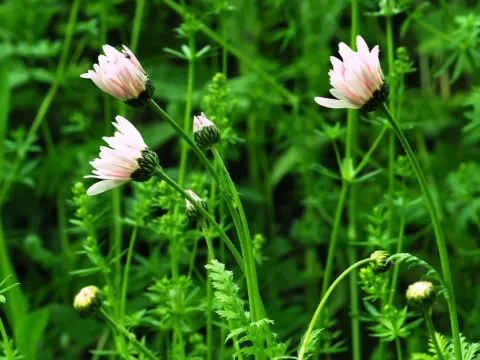
Chrysanthemum marschallii
Chrysanthemum marschallii
Chrysanthemum marschallii is a hardy perennial belonging to the Asteraceae family. This species is known for its botanical distinctiveness and adaptation to mountainous regions, making it a valuable subject for specific ornamental and horticultural applications.
What the section contains
Chrysanthemum marschallii
The plant originates from the Caucasus region and surrounding territories, which dictates its preference for open, sun-drenched habitats. In cultivation, it thrives best in locations where it receives direct sunlight for the majority of the day to ensure vigorous growth.
Regarding soil requirements, Chrysanthemum marschallii favors well-drained, porous substrates. It performs exceptionally well in stony or loamy soils, provided there is no risk of waterlogging, which can be detrimental to its root health.
Climate adaptation is a key feature of this species. It is well-suited to regions with temperate climates, showing significant resilience to fluctuations in temperature. However, maintaining soil moisture during the peak flowering stage is essential for optimal performance.
Good agricultural practice for this species includes regular maintenance such as weeding and moderate mineral fertilization. Applying a balanced fertilizer in the early stages of the growing season helps promote structural development and floral abundance.
Aphids are the most common pests affecting Chrysanthemum marschallii, typically targeting the tender new shoots and buds. If left uncontrolled, these pests can severely weaken the plant and reduce the visual quality of the flowers.
Powdery mildew represents a significant fungal threat, especially in humid conditions or areas with poor air circulation. Applying appropriate fungicides and ensuring sufficient spacing between plants can significantly reduce the risk of this infection.
Leaf rust can occur during extended periods of high humidity. Gardeners should monitor the foliage regularly and remove any infected parts immediately to contain the spread of fungal spores across the planting site.
Root pathogens can also pose a threat, particularly if the soil remains excessively wet. Proper site selection and soil improvement techniques are vital for preventing root rot and ensuring the longevity of the plant in its chosen environment.
Effective pest and disease management for this chrysanthemum involves a combination of preventative cultural practices and timely chemical interventions. Keeping the area free of debris and monitoring plant health will ensure robust growth.