
Centipeda
Centipeda
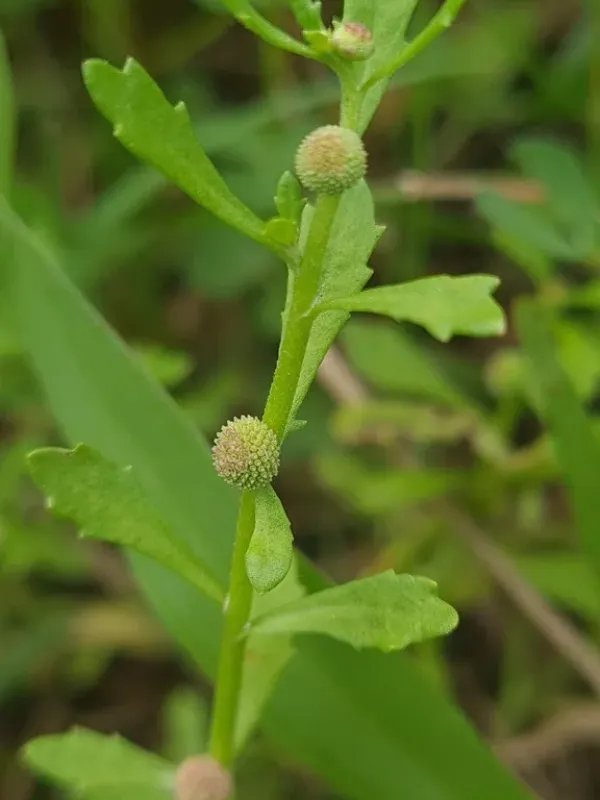
Description
Growing requirements
Centipeda is a genus of herbaceous plants belonging to the Asteraceae family. These plants are often characterized by their prostrate or creeping growth habit, allowing them to form dense mats on the soil surface, which is beneficial for soil protection.
Originating from regions such as Australia, Asia, and the Pacific Islands, these plants thrive in moist environments. They are naturally found along riverbanks, in wetlands, and in other areas where water availability is consistent throughout the growing season.
To cultivate Centipeda successfully, it is essential to provide well-drained, nutrient-rich, and moisture-retentive soil. While the plant loves water, it requires a substrate that prevents stagnation, as waterlogging can lead to root degradation.
The climate requirements include warm conditions with adequate sunlight. While the plant can tolerate partial shade, full sun exposure is preferred for maximum biomass production and synthesis of essential phytochemical compounds.
Economically, Centipeda is highly regarded for its therapeutic potential. The presence of unique sesquiterpene lactones makes it a valuable raw material for the pharmaceutical industry, particularly in developing anti-inflammatory and skin-repairing topical treatments.
Main diseases and pests
Fungal infections are the primary threat to Centipeda crops, particularly those induced by high humidity levels and poor ventilation. Proper spacing is crucial to allow air to circulate freely around the base of the plants.
Insect pests, such as aphids and spider mites, are common nuisances that thrive in greenhouses or during dry spells. Regular monitoring and the application of biological controls are effective ways to maintain the health of the harvest.
Gastropods, including snails and slugs, can significantly damage the young foliage of the plants. Employing physical barriers or mulch that creates a hostile environment for these pests is recommended for sustainable management.
Nutrient imbalances in the soil can lead to chlorosis and stunted development. Providing a balanced fertilizer regime during the active growing phase helps maintain the vigor of the plant and its natural resistance to disease.
Weed competition is a significant challenge for this low-growing crop. Efficient weeding practices must be implemented early in the growth stage to ensure the crop has sufficient access to light and soil resources without obstruction.