
Chaenactis artemisiifolia
Chaenactis artemisiifolia
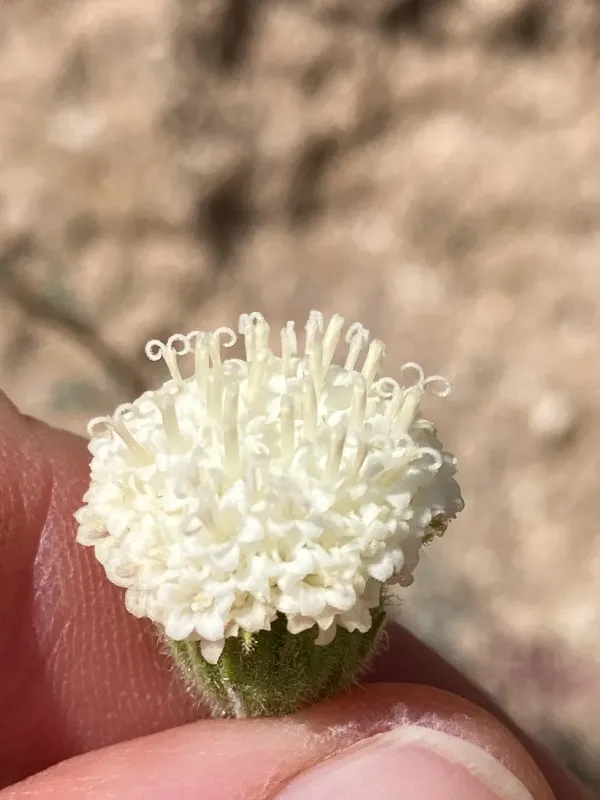
Description
Sowing dates
Chaenactis artemisiifolia, a member of the Asteraceae family, is a distinct plant species that requires precise sowing conditions. As a specialized agricultural crop, its seeds must be handled with care to ensure uniform germination across the field.
The optimal sowing time begins when the soil temperature consistently reaches 12 degrees Celsius. Early spring planting is preferred to allow the plants to establish a robust root system before the onset of intense summer heat.
Seeds should be sown at a shallow depth, approximately 1 centimeter, as they require light to stimulate successful sprouting. Covering them with a thin layer of fine soil or vermiculite helps maintain the necessary moisture balance.
Row spacing should be maintained at 35 centimeters to facilitate aeration and minimize competition for nutrients between individual plants. Proper spatial distribution is essential for the healthy development of the foliage and subsequent flowering.
After sowing, it is crucial to keep the soil surface moist but not waterlogged. Using a gentle mist irrigation method during the first 10 days post-seeding ensures that the seeds remain in place and are not washed away by heavy water streams.
Growing requirements
This plant thrives in sunny environments, making it a perfect candidate for well-lit agricultural areas. It has evolved to adapt to Mediterranean-like conditions where high light intensity is a key factor for successful maturation.
Well-drained, sandy loam soils are ideal for Chaenactis artemisiifolia. The species is highly sensitive to root asphyxiation, so soil compaction must be avoided at all costs to ensure adequate oxygen reaches the rhizosphere.
Regarding soil fertility, the plant performs best in soils with moderate organic matter content. Excessive nitrogen fertilization should be avoided as it encourages vegetative growth at the expense of floral quality and stem strength.
The water requirements are low once the plants are established. During the blooming phase, moderate irrigation is sufficient, provided that the soil is allowed to dry out slightly between waterings to prevent root disease.
Optimal growth occurs at temperatures ranging between 18 and 28 degrees Celsius. The plant is somewhat heat-tolerant but will show signs of wilting if exposed to extreme heat coupled with low atmospheric humidity.
Main diseases and pests
Root rot remains the most significant threat to the survival of Chaenactis artemisiifolia plantations. It is typically triggered by poor drainage systems or over-irrigation during the cooler periods of the growing season.
Powdery mildew may appear on the foliage if the plants are crowded together. Ensuring adequate spacing and good ventilation throughout the growing area is the primary cultural practice for preventing fungal outbreaks.
Aphids are the most common insect pests that target the young, tender growth of the plant. Regular monitoring of the underside of the leaves is necessary to detect infestations early and prevent economic damage.
Weed control is critical, especially in the first month after germination. Because the plant is relatively delicate in its early stages, manual or light mechanical cultivation is preferred to avoid disturbing the shallow root structure.
In addition to pests, slugs and snails can cause damage to seedlings. Using barriers or targeted biological controls helps maintain crop health without the need for intensive chemical interventions, preserving the ecological balance of the site.