
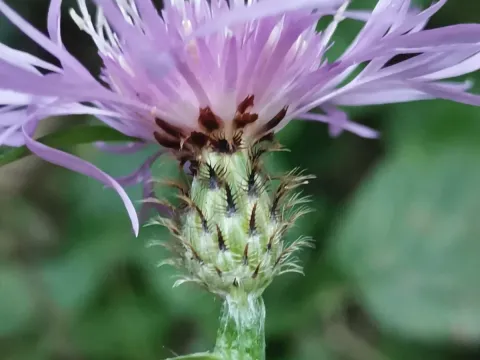
Centaurea macroptilon
Centaurea macroptilon
Centaurea macroptilon is a perennial herbaceous plant belonging to the Asteraceae family. It is native to various regions in Central and Southeastern Europe, commonly found in meadow ecosystems and open grassy landscapes.
What the section contains
Centaurea macroptilon
The plant is characterized by its robust root system, which enables it to thrive in diverse soil conditions, including stony and low-nutrient substrates. Its natural resilience allows it to withstand significant periods of drought, making it suitable for arid regions.
Optimal growth requires full sun exposure, as the species is highly sensitive to light deficiency. Sufficient sunlight is crucial for both vegetative development and the subsequent quality of flower heads, which are essential for its honey-producing potential.
The crop prefers neutral to slightly alkaline soil types that offer good drainage. Waterlogging is detrimental to the plant, as it often leads to root rot and decreases overall biomass production. Well-tilled soil with proper moisture management ensures high success rates.
Agriculturally, this species is highly valued as a late-season honey crop. Additionally, its aesthetic and biological profile makes it an interesting candidate for biodiversity conservation programs in disturbed or marginalized agricultural zones.
Common pests include aphids and various beetle species that target flower buds, causing premature death of reproductive tissues. Monitoring populations of these insects is necessary to ensure the plant reaches full anthesis.
Fungal diseases, specifically powdery mildew, are prevalent during seasons with high humidity or poor field ventilation. Ensuring proper spacing during sowing helps maintain a microclimate that prevents the spread of such pathogens.
Rust infections can also affect foliage, leading to a reduction in photosynthetic capacity. If left unchecked, these diseases may weaken the perennial rootstock, significantly reducing the plant's ability to regrow in subsequent seasons.
Weed management is critical during the seedling establishment phase. As the crop grows slowly during its initial stages, competition for nutrients with aggressive grass or broadleaf weeds should be mitigated through manual or mechanical cultivation.
Due to its importance for pollinators, pest management strategies must prioritize ecological safety. Integrated Pest Management (IPM) practices, such as habitat manipulation and the use of organic controls, are preferred over synthetic pesticides.